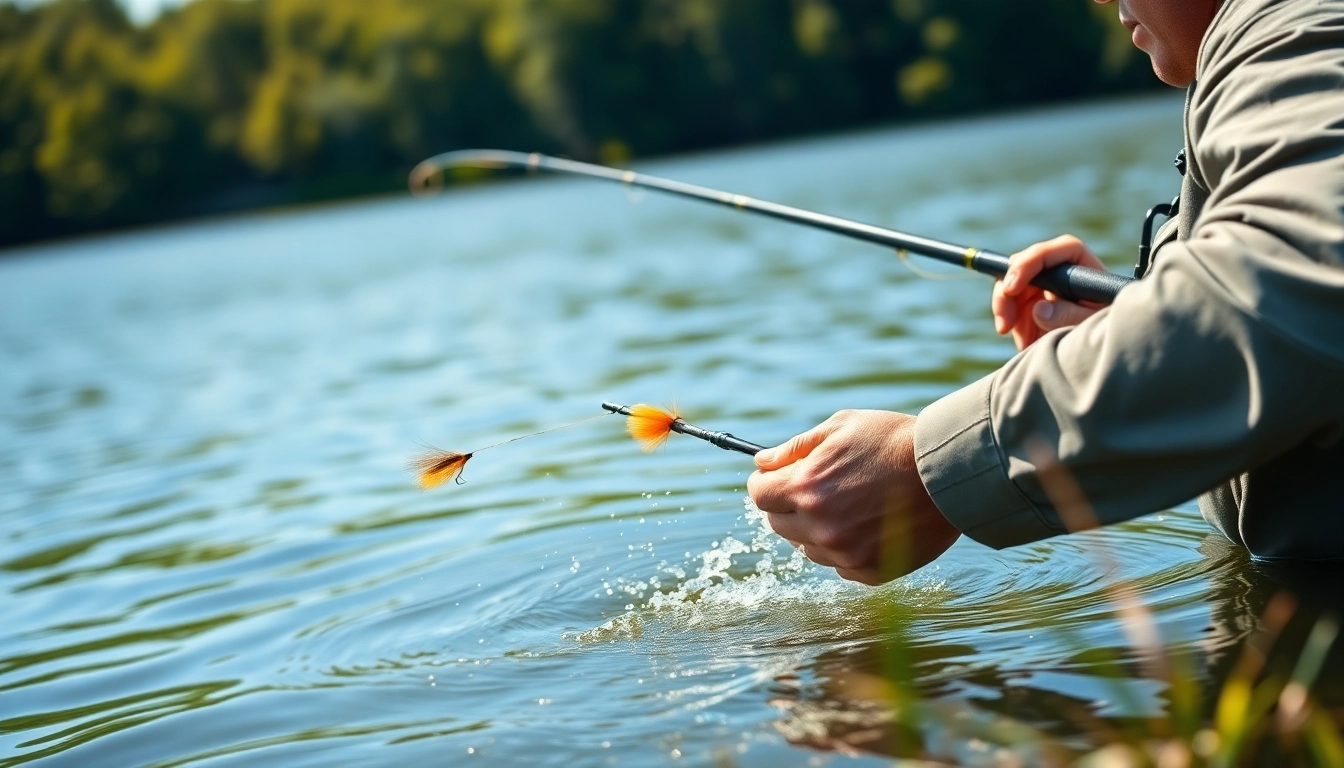
Understanding Fly Fishing for Bass
Fly fishing for bass is both an art and a science, appealing to anglers seeking a more graceful approach to fishing. With their aggressive behavior and willingness to hit a variety of flies, bass provide an exhilarating challenge for fly fishermen. This guide aims to provide you with in-depth knowledge on how to effectively target bass using flies, covering crucial aspects such as equipment, techniques, and ideal conditions. For detailed insights throughout this process, explore Fly fishing for bass.
What Makes Bass a Unique Target?
Bass are popular among anglers due to their fierce fighting spirit and adaptability in various environments. They inhabit freshwater lakes, rivers, and ponds throughout North America. There are two primary species targeted by anglers: Largemouth bass and Smallmouth bass. Each species presents unique behaviors and habitats, making them ideal candidates for fly fishing.
Largemouth bass tend to thrive in warmer, shallow waters filled with vegetation, offering ample hiding spots. In contrast, Smallmouth bass prefer cooler, clearer waters found in rivers and streams. Their predatory nature draws them to a range of prey, from baitfish to insects, making them susceptible to a variety of fly patterns.
Essential Fly Fishing Equipment for Bass
When preparing for a successful day on the water, selecting the right gear is crucial. Here’s an overview of essential equipment tailored for bass fly fishing:
- Fly Rod: A 6 to 8-weight rod is generally recommended for bass. A medium-fast action rod gives you the power for casting larger flies and handling aggressive strikes.
- Reel: Choose a reel with a strong, smooth drag system. Large arbor reels are preferred for quick line retrieval and maintaining tension on the fish.
- Line: Use a weight-forward floating line for surface techniques, or a sinking line when fishing deeper waters. Ensure the line matches your rod’s weight.
- Leader and Tippet: A tapered leader with an 8 to 12-pound test is ideal. Bass have robust jaws, so thicker tippets aid in preventing break-offs on aggressive strikes.
- Flies: A diverse selection of flies is essential to match the forage present in the bodies of water you are fishing. From poppers to clousers, having a well-rounded arsenal will increase your chances of success.
Seasons and Conditions for Best Success
Understanding seasonal patterns and environmental conditions significantly affects your success rate when fly fishing for bass. Here are some factors to keep in mind:
- Spring: As water temperatures rise, bass move towards shallow areas to spawn. Targeting them during this time can yield impressive results, especially with topwater flies.
- Summer: Bass seek shade and cooler depths to escape the heat. Focus your efforts around structures like docks or submerged trees.
- Fall: As temperatures begin to drop, bass ramp up their feeding in preparation for winter. This is a prime time for fishing since they are highly aggressive.
- Winter: Bass become lethargic in cold water but can still be caught using slow-moving flies in deeper areas. Adjust your retrieves to be slower and more methodical.
Choosing the Right Flies for Bass
Flies play an integral role in enticing bass, and knowing the right patterns can make all the difference. The choice of flies can depend on conditions, the time of year, and the specific species of bass you are pursuing.
Popular Fly Patterns for Largemouth Bass
Several fly patterns are particularly effective for Largemouth bass, including:
- Poppers: These topwater flies create enticing splashes that provoke aggressive surface strikes.
- Streamers: Larger patterns that mimic baitfish can attract the ire of hungry bass lurking in deeper waters.
- Crayfish Flies: Mimicking the native crayfish can yield great results, especially in areas where bass are feeding heavily on crustaceans.
Fly Colors and Their Effectiveness
The color of your fly can greatly influence your success. In stained or murky waters, opt for brighter colors that create visibility. In clear waters, natural colors such as olive, brown, or black are often more effective as they mimic the natural prey of the bass.
Experimentation is key. Carry a variety of colors and adjust according to the bite; sometimes a subtle change can turn a dead day into a productive one.
When to Use Topwater vs. Subsurface Flies
The choice between topwater and subsurface flies depends on various factors, including water temperature, time of day, and the activity level of fish:
- Topwater Flies: Ideal during low light hours (dawn and dusk) or in warmer months when bass are actively feeding closer to the surface.
- Subsurface Flies: Best utilized in warmer weather when bass are hiding in deeper water or during colder seasons. Sinking flies can help reach these zones effectively.
Techniques for Successful Fly Fishing for Bass
To increase your chances of landing a trophy bass, mastering specific techniques is essential. Here are key strategies to enhance your fly fishing experience:
Understanding Casting Techniques
Effective casting is foundational in fly fishing. The goal is to present your fly accurately and softly. Here are some techniques to consider:
- Roll Cast: Useful in tight spaces or when there’s limited backcasting room. It allows for a smooth presentation.
- Double Haul: A casting technique that generates increased line speed and distance. Perfect for covering larger areas.
- Drop Casting: Essential when fishing from a boat, allowing you to drop your fly right at the edge of cover.
Effective Retrieve Methods
The retrieve is equally important to how you cast your fly. Here's how to refine your retrieval process:
- Strip Retrieve: Consists of pulling line in short, consistent segments. This creates motion in your fly imitating distressed prey.
- Pulsed Retrieve: Incorporates intervals of pulling and pausing, emulating a natural movement that can trigger strikes.
- Drift Retrieve: Letting your fly drift naturally with the current can be particularly effective, especially with nymph patterns.
Handling Strikes and Hook Sets
Successfully hooking a bass involves mastering the art of setting the hook:
- Use of Strip Set: Instead of a traditional upward hook set, use a strip set to drive the hook into the fish securely.
- Timing: Wait for a solid take; many bass will hit with ferocity, and patience is key to ensuring they are fully hooked before setting.
Best Locations for Fly Fishing for Bass
The location you choose can significantly influence your success rates. Here are strategies for finding productive bass waters:
Identifying Productive Fishing Areas
Evaluate the habitat bass prefer: structures such as submerged trees, rocks, and vegetation. Identify areas where water temperature shifts occur, as bass tend to congregate in these zones.
Additionally, use weather patterns to your advantage; overcast days can prompt increased bass activity, leading to more successful fishing outings.
Fishing in Lakes vs. Rivers
Both lakes and rivers offer unique advantages:
- Lakes: Frequently host larger populations and provide consistent conditions, making them ideal for beginners.
- Rivers: Offer dynamic environments where bass may be more aggressive, but they require more skill to navigate currents effectively.
Using Local Conditions to Your Advantage
Customizing your fishing strategy based on local conditions, such as water temperature, weather patterns, and bass behavior, is critical. Pay attention to signs of feeding activity like surface disturbances or jumping baitfish.
Advanced Strategies and Common Challenges
To excel in fly fishing for bass, being aware of advanced strategies and common challenges is essential. Here are topics to consider:
Adapting to Weather Changes
Weather plays a pivotal role in bass activity. Sudden changes can either bolster or hinder feeding behavior. On windy days, for instance, adjust your presentations to match the choppy water. Keeping an eye on the barometric pressure can also inform your fishing strategies—fish tend to feed aggressively before a front moves in.
Finding Deeper Bass: Tips and Tricks
During warmer months, bass often seek deeper, cooler waters. Use sinking lines and larger streamers to reach these depths efficiently. Focus on drop-offs and deep channels where bass congregate during hot days.
Resolving Frustrations: The Mental Game of Fishing
Anglers often encounter frustrations during fishing trips. To improve your experience, focus on maintaining a positive outlook. Set realistic expectations, and remember that mastery takes time. Take breaks when needed and observe your surroundings to recharge mentally.
FAQs about Fly Fishing for Bass
1. Is fly fishing effective for bass?
Yes, fly fishing is effective for catching bass. Larger flies and dynamic presentations can attract both Largemouth and Smallmouth bass, making it a versatile method.
2. What are the best seasons to fly fish for bass?
Spring and fall are the best seasons for fly fishing for bass. Spring spawn brings aggressive feeding patterns, while fall sees increased bait activity.
3. What flies should I use for bass?
Use a mix of poppers, streamers, and crayfish patterns. Having a variety in your tackle ensures you can adapt to changing conditions and preferences.
4. What type of rod is best for bass fly fishing?
A 6 to 8-weight rod provides the ideal balance of power and delicacy needed to handle bass effectively, especially when casting larger flies.
5. How do I know where to fish for bass?
Look for structures like submerged rocks, fallen trees, and weed beds. Bass often hide near these structures, especially in warmer months.