
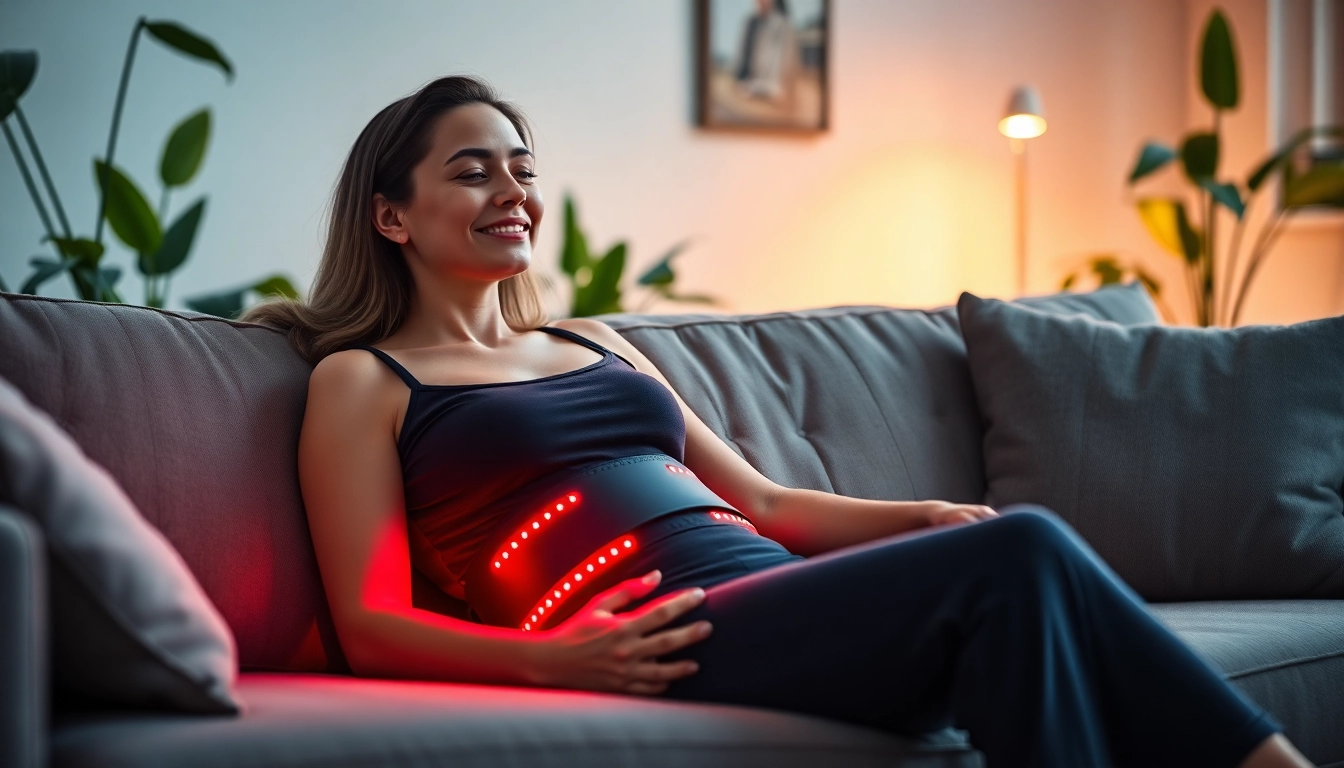
Understanding Red Light Therapy Belts
Red light therapy is becoming increasingly popular for various health applications, particularly in pain management and skin rejuvenation. Among the many tools available, the red light therapy belt stands out as a versatile, non-invasive solution. This wearable device not only simplifies the application of red light therapy but also targets specific areas of concern, making it ideal for those suffering from chronic pain, athletes in need of recovery, or individuals looking to enhance their skin health.
What is a Red Light Therapy Belt?
A red light therapy belt is a specialized device that emits low-level laser therapy (LLLT) or LED light therapy through infrared and red light. These belts are designed to be worn around specific body parts, providing a concentrated treatment that penetrates the skin to reach deeper tissues. Typically, they are used for therapeutic purposes such as pain relief, inflammation reduction, improved circulation, and even skin rejuvenation.
How Does Red Light Therapy Work?
Red light therapy operates on the principle of photobiomodulation, where specific wavelengths of light stimulate cellular processes. These wavelengths, typically ranging from 600 to 900 nanometers, enhance the mitochondria’s ability to produce ATP (adenosine triphosphate), the energy currency of cells. This boost in energy helps cells repair, regenerate, and reduces inflammation, leading to a myriad of health benefits.
Common Uses and Applications
Individuals can use red light therapy belts for a range of applications, including:
- Chronic pain relief, particularly in the back, neck, and joints
- Improvement in muscle recovery post-exercise
- Enhancement of skin health by stimulating collagen production
- Reduction in inflammation and swelling
Benefits of Using a Red Light Therapy Belt
Adopting red light therapy belts can deliver significant health advantages. Here, we explore three primary benefits:
Chronic Pain Management and Inflammation Reduction
One of the primary applications of red light therapy is its efficacy in managing chronic pain. The infrared light penetrates deep into the tissues, targeting pain centers. This therapy helps decrease inflammation, thereby alleviating discomfort from conditions such as arthritis, back pain, and muscle strains.
Blood Circulation Improvement and Muscle Recovery
Improving circulation is another key benefit of red light therapy. Enhanced blood flow ensures that muscles receive adequate oxygen and nutrients, accelerating the recovery process after workouts. This is particularly beneficial for athletes and individuals with physically demanding jobs, allowing for better performance and less soreness.
Skin Rejuvenation and Cellular Regeneration
Red light therapy is celebrated for its anti-aging properties. The therapy promotes collagen production, which is crucial for maintaining skin’s elasticity and youthfulness. Regular use of a therapy belt can lead to improved skin tone, reduction in wrinkles, and an overall healthier appearance.
Choosing the Right Red Light Therapy Belt
Selecting the appropriate red light therapy belt is crucial for achieving desired results. Here are several factors to consider:
Identifying Your Goals and Needs
Before purchasing, it is essential to define your specific goals. Are you targeting pain relief, muscle recovery, or skin rejuvenation? Understanding your primary objectives will guide your selection process, ensuring that you choose a belt that meets your individual needs.
Evaluating Wavelength and Power Output
The effectiveness of your therapy belt can largely depend on the wavelength and power output. Look for devices that emit light within the optimal range of 600 to 900 nanometers. Devices with adjustable intensity settings allow for customization to accommodate different treatment areas and conditions.
Assessing Treatment Area and Belt Size
Consider the size of the treatment area when choosing your belt. Wider belts are beneficial for larger body parts, while smaller belts are ideal for localized pain or specific conditions. Ensuring the belt can adequately cover your target areas will enhance treatment effectiveness.
How to Use a Red Light Therapy Belt Effectively
To maximize the benefits of red light therapy belts, it’s important to use them correctly. Follow these guidelines:
Getting Started: Session Duration and Frequency
Start with sessions lasting between 20 to 30 minutes, 3 to 5 times a week. Pay attention to how your body responds and adjust the frequency and duration of use as necessary.
Safety Guidelines and Best Practices
Always adhere to the manufacturer’s instructions for safe usage. Ensure that the device is certified, and consult a healthcare professional if you have any underlying health conditions that may affect therapy use.
Integrating Therapy into Your Daily Routine
For optimal results, consistency is key. Try to incorporate the use of your red light therapy belt into a regular wellness routine, whether it be post-exercise or during your relaxation time at home.
Do Red Light Therapy Belts Really Work?
Many users have reported satisfaction and improvements in their conditions with regular use of red light therapy belts. However, the effectiveness can vary based on individual circumstances.
Analyzing User Reviews and Testimonials
Feedback from users suggests that many experience significant pain relief and improved muscle recovery. It’s beneficial to research different brands and models, looking for those that match your specific requirements.
Scientific Evidence and Research Findings
Numerous studies support the benefits of red light therapy, showcasing its efficacy in pain management and skin improvement. Research continues to explore new applications and validate its safety.
Consultation with Healthcare Professionals
Always consult a healthcare provider before beginning any new therapy. They can offer personalized insights and recommendations based on your health history and treatment goals.