
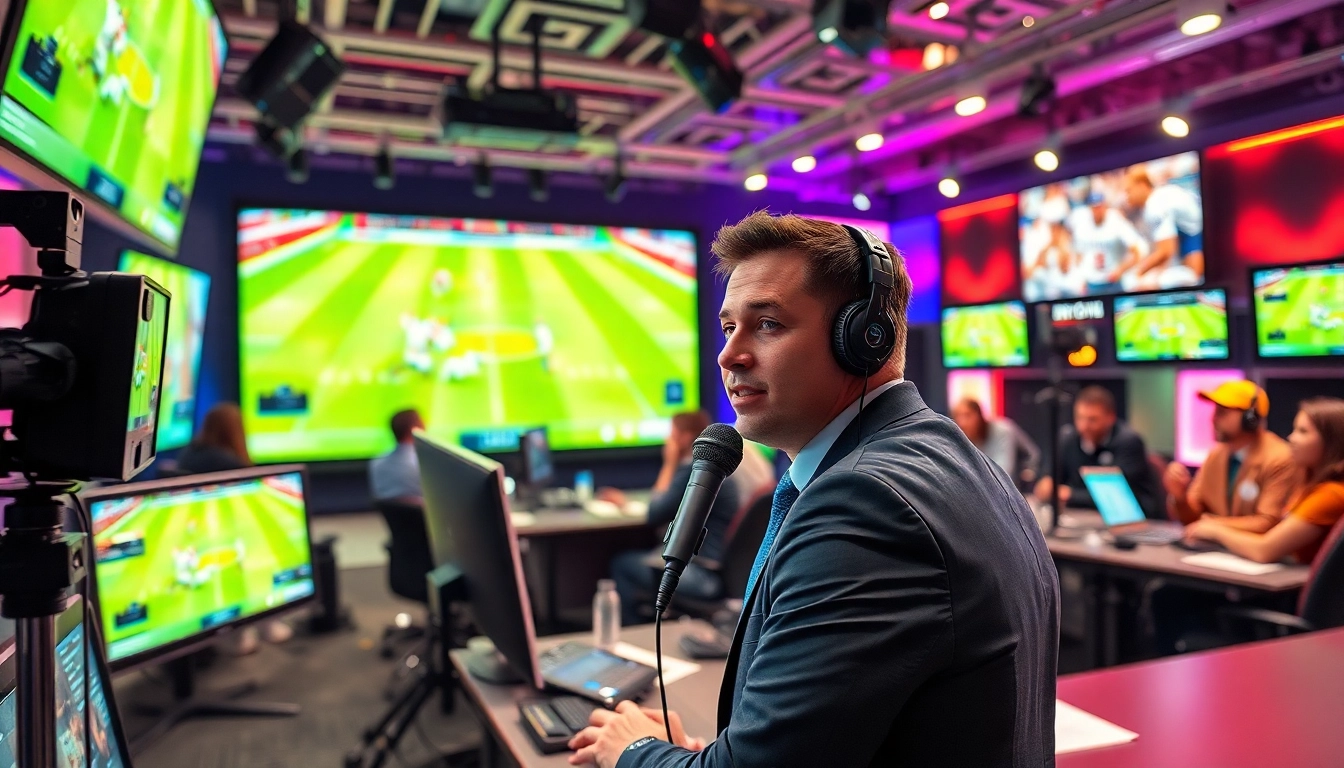
Understanding Sports Broadcasting
What is Sports Broadcasting?
Sports Broadcasting refers to the transmission of live or recorded sporting events to audiences via television, radio, or digital platforms. It encompasses a variety of formats, including play-by-play commentary, analysis, highlights, and interviews, ensuring that fans can follow their favorite teams and athletes from anywhere. As the viewing landscape evolves, Sports Broadcasting is adapting to meet the needs of a diverse and growing audience.
The Evolution of Sports Broadcasting
The journey of Sports Broadcasting began in the early 20th century with radio transmissions, enabling audiences to experience games in real-time. The introduction of television in the 1950s revolutionized the industry, offering visual access to sporting events. Major milestones include color broadcasts, instant replays, and high-definition presentations. With the rise of the internet, live streaming has become increasingly popular, allowing viewers to watch games from virtually anywhere.
Key Industry Players in Sports Broadcasting
Several key players significantly influence Sports Broadcasting. Traditional networks such as ABC, NBC, and CBS have long dominated the scene, while cable channels like ESPN have introduced specialized sports programming. Recently, digital platforms have emerged as formidable competitors, with services like Amazon Prime Video and YouTube TV reshaping the landscape. Additionally, social media platforms play an increasing role in disseminating sports content and engaging viewers.
Technological Innovations in Sports Broadcasting
Impact of Streaming Services on Sports Broadcasting
Streaming services have transformed Sports Broadcasting by providing on-demand access to content. This shift allows viewers to choose what, when, and how they want to watch sporting events. With options for live streaming, recorded matches, and highlights, these platforms are meeting the demands of a younger, tech-savvy audience. Notably, the integration of multi-camera options and different viewing angles enhances the overall experience, fostering greater engagement.
Advancements in Broadcast Technology
Recent advancements in broadcast technology, such as 4K and 8K resolution, have improved visual quality, allowing viewers to appreciate every detail of the action. Virtual and augmented reality technologies are also changing the way fans interact with sports, providing immersive experiences that extend beyond the traditional viewing model. Innovations in audio technology, including surround sound and personalized audio feeds, further enhance the viewing experience.
Utilization of Social Media in Sports Broadcasting
Social media platforms have become essential tools for Sports Broadcasting, enabling real-time interaction and engagement. Broadcasters use platforms like Twitter, Facebook, and Instagram to provide updates, share highlights, and interact with fans. Social media also facilitates user-generated content, where fans can share their perspectives and experiences, creating a sense of community around sports events. As a result, broadcasters can leverage social media to enhance their storytelling and reach wider audiences.
Challenges Facing Sports Broadcasting Today
Viewership Declines and Audience Fragmentation
One of the most pressing challenges facing Sports Broadcasting is the decline in viewership, particularly among younger demographics. Factors contributing to this include the rise of ad-free streaming services and a preference for binge-watching on-demand content. Audience fragmentation has made it challenging for broadcasters to capture and retain viewers' attention, leading to an increased competition for advertising dollars.
Regulatory Issues and Broadcasting Rights
Broadcasting rights remain a complex issue within the Sports Broadcasting landscape. The competition for exclusive rights has led to escalating costs, affecting how networks and platforms negotiate with leagues and teams. Regulations vary by region, influencing how content is distributed and accessed. Ensuring compliance while maximizing profitability represents a significant challenge for broadcasters.
Evolution of Advertising in Sports Broadcasting
The advertising model in Sports Broadcasting is undergoing significant changes. Traditional commercials are giving way to more integrated marketing approaches, including sponsor-driven content and personalized ads. Brands are increasingly looking for innovative ways to engage fans during broadcasts, creating opportunities for collaboration between advertisers and broadcasters to enhance viewer experience while driving revenue.
Future Trends in Sports Broadcasting
Interactive and Immersive Viewing Experiences
The future of Sports Broadcasting promises to be more interactive and immersive than ever. With advancements in technology, viewers can expect augmented and virtual reality experiences that allow them to engage with live events in innovative ways. Interactive features, such as real-time statistics and the ability to choose different camera angles, will enable deeper connections between fans and the action taking place on the field.
Data Analytics and Audience Engagement
As data analytics becomes increasingly integral to Sports Broadcasting, broadcasters are leveraging audience insights to enhance engagement. Analyzing viewership patterns, preferences, and interaction levels allows broadcasters to tailor content to meet audience expectations. Moreover, integrating data-driven storytelling will shape how content is presented, ensuring relevance and encouraging viewer loyalty.
Globalization of Sports Broadcasting
The globalization of sports broadcasting is expanding access to content across borders. Viewers now have access to international leagues and events, thanks in large part to digital platforms that facilitate streaming. This trend is fostering a more interconnected viewing experience, enabling fans worldwide to support their favorite teams and athletes, regardless of geographic location.
FAQs About Sports Broadcasting
What is the primary purpose of Sports Broadcasting?
Sports Broadcasting aims to deliver live or recorded sports events to an audience through various media platforms, ensuring fans stay connected and engaged.
How has technology impacted Sports Broadcasting?
Technology, particularly streaming services, has transformed Sports Broadcasting, allowing for greater accessibility and interactivity among viewers.
What challenges do broadcasters face today?
Broadcasters encounter declining viewership, increased competition from digital platforms, and complexity in regulatory environments regarding rights.
How does social media influence Sports Broadcasting?
Social media enhances Sports Broadcasting by facilitating direct interaction with fans, providing real-time updates, and promoting events through influencer engagement.
What trends can we expect in the future of Sports Broadcasting?
The future of Sports Broadcasting will likely see trends focusing on immersive experiences, enhanced data usage for personalization, and broader global reach through technology.