
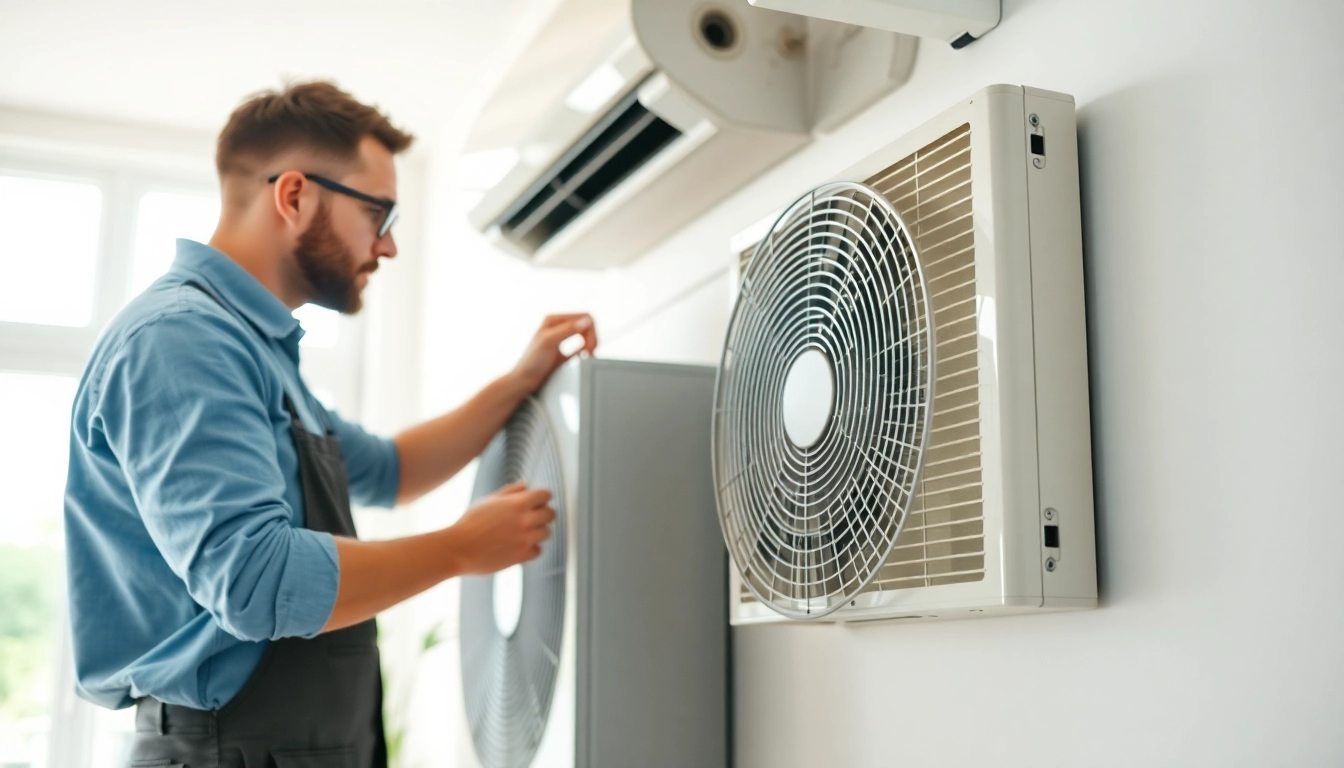
Understanding Energy-Efficient HVAC Systems
Energy-efficient HVAC systems represent a significant advancement in residential and commercial heating and cooling technology. By utilizing innovative technologies and design processes, these systems minimize energy consumption without compromising on performance and comfort. The move towards sustainability demands that homeowners and building managers consider the efficiency of these systems, which not only helps reduce utility bills but also benefits the environment. For more on the topic, explore energy-efficient HVAC systems that best meet your needs.
What Defines Energy Efficiency?
Energy efficiency in HVAC systems refers to the ratio of heating or cooling output compared to energy input. The key metrics for evaluating energy efficiency include the Seasonal Energy Efficiency Ratio (SEER) for cooling systems, the Annual Fuel Utilization Efficiency (AFUE) for heating systems, and the Heating Seasonal Performance Factor (HSPF) for heat pumps. Systems that rank high on these scales are considered energy efficient and are designed to use minimal energy while delivering maximum comfort.
Benefits of Energy-Efficient HVAC Systems
- Cost Savings: Energy-efficient HVAC systems result in notably lower energy bills due to reduced energy consumption. Homeowners can expect a reduction of up to 30% in their HVAC energy costs.
- Environmental Impact: By decreasing energy usage, these systems contribute to lower greenhouse gas emissions, thus promoting a healthier environment.
- Improved Comfort: Enhanced temperature control and consistent humidity levels lead to a more comfortable indoor climate.
- Increased Property Value: Homes equipped with energy-efficient systems tend to have higher market values as energy-conscious buyers prioritize low operational costs.
- Longer Lifespan: Energy-efficient systems often incorporate advanced technologies that not only enhance performance but can also extend the life of the unit.
Key Features to Look For
When searching for energy-efficient HVAC systems, several key features can guide your decision:
- High SEER Rating: Look for systems with a SEER rating of 16 or higher for cooling units.
- Variable Speed Technology: This technology allows units to adjust their output based on current needs, providing efficient operation.
- Smart Thermostats: Integration with smart home technology can optimize climate control based on usage patterns.
- Energy Star Certification: Products bearing the Energy Star label meet strict efficiency guidelines set by the EPA.
- Two-Stage or Modulating Units: These units offer more precise temperature control than single-speed systems.
Choosing the Right Energy-Efficient HVAC System
Making an informed decision on the right energy-efficient HVAC system can significantly impact your home’s comfort and energy bills. Understanding the various options available and assessing how they meet your needs is crucial.
Types of Energy-Efficient HVAC Systems
There are several types of energy-efficient systems to consider:
- Central Air Conditioning: Ideal for larger homes, central AC systems distribute cool air through ducts.
- Heat Pumps: Function as both heating and cooling solutions, using a refrigeration cycle to transfer heat.
- Ductless Mini-Split Systems: Provide targeted cooling and heating in specific rooms without ductwork.
- Geothermal Heating and Cooling: Utilizes the earth’s stable underground temperature to provide energy-efficient heating and cooling.
- High-Efficiency Furnaces: Operate at higher AFUE ratings, leading to less energy wasted through exhaust gases.
Assessing Your Home’s Heating and Cooling Needs
Before investing in an HVAC system, it’s essential to assess your home’s specific heating and cooling requirements. Factors to consider include:
- Home Size: Larger homes require systems with greater capacity.
- Insulation Quality: Well-insulated homes retain heat and cool air better.
- Local Climate: Homes in extreme temperatures may require more robust systems.
- Ventilation System: The existing ductwork and airflow matter significantly for overall efficiency.
Cost vs. Long-Term Savings Analysis
While the initial cost of energy-efficient HVAC systems may be higher, it’s essential to weigh this against long-term savings. Factors influencing savings include:
- Energy Prices: Fluctuations in energy rates can significantly impact long-term costs.
- Potential Tax Credits: Government programs may offer financial incentives for energy-efficient upgrades.
- Maintenance Costs: Energy-efficient units may have lower upkeep expenses due to advanced technology.
Installation Process and Considerations
The installation of an energy-efficient HVAC system is a critical step that significantly affects its overall performance. Proper installation ensures that the system operates as intended, contributing to efficiency and comfort.
Preparing Your Home for Installation
Preparation may include ensuring that your home is ready for installation with necessary permits and a clear area for equipment access. You should:
- Clear Furniture and Obstructions: Make space around installation areas.
- Ensure Access to Electrical Services: Verify that you have the appropriate electrical services for new systems.
- Discuss Your Preferences: Clearly communicate with your contractor about specific needs and capabilities.
Hiring a Professional vs. DIY Installation
While DIY installation may save some costs upfront, hiring a professional is often recommended. Benefits include:
- Expertise: Professionals understand the nuances of installation and code compliance.
- Efficiency: Installed systems work as intended without the risk of improper setup.
- Warranty Protection: Many warranties require professional installation to be valid.
Common Installation Mistakes to Avoid
To ensure a successful installation, avoid these common missteps:
- Undersizing or Oversizing Equipment: Use load calculations to choose the right size.
- Improper Ductwork Design: Ensure ducts are sized and sealed correctly for optimal airflow.
- Overlooking Local Codes: Ensure compliance with local building codes affecting installation.
Maintenance for Optimal Performance
Regular maintenance is crucial to keep energy-efficient HVAC systems functioning optimally. Routine tasks and awareness of signs of inefficiency can lead to repairs before they escalate.
Routine Maintenance Tips for Energy-Efficient HVAC Systems
To maintain your HVAC system’s efficiency, follow these routine maintenance tips:
- Change Filters Regularly: Monthly or bi-monthly filter changes improve air quality and maintain efficiency.
- Schedule Professional Inspections: Have a technician inspect the system at least once a year.
- Clean Coils and Ducts: Keep coils and ducts free from dirt and allergens.
- Check Refrigerant Levels: Ensure levels are adequate for optimal cooling.
Recognizing Signs of Inefficiency
Identifying signs of inefficiency can prevent costly repairs. Watch for these indicators:
- Inconsistent Temperatures: Difficulty achieving desired temperatures can indicate a malfunction.
- Unusually High Energy Bills: A spike in energy costs may suggest inefficiency.
- Unusual Noises:
Any abnormal sounds could indicate worn parts needing replacement.
When to Call a Professional for Repairs
It is advisable to call professionals for repairs when:
- There are persistent performance issues despite maintenance.
- Strange sounds or smells occur during operation.
- The HVAC system displays error codes or malfunctions continuously.
Future Trends in Energy-Efficient HVAC Technology
As technology evolves, so too does the field of energy-efficient HVAC systems. Understanding current trends can help consumers stay informed about the best options for their needs.
Smart Home Integration
Smart HVAC systems that integrate with home automation technology allow homeowners to control temperature settings from a distance. Features can include scheduling, remote monitoring, and optimization based on occupancy patterns, leading to enhanced efficiency and comfort.
Advancements in HVAC Efficiency Standards
The government and industry organizations continually update efficiency standards, influencing HVAC system designs. These updates encourage innovation and motivate manufacturers to develop systems that exceed traditional efficacy metrics.
Sustainability and Renewable Energy Sources
With a growing emphasis on sustainability, many HVAC systems now incorporate renewable energy technologies, such as solar heating and geothermal solutions. These systems efficiently harness natural resources, reducing reliance on fossil fuels.
FAQs
1. What is considered an energy-efficient HVAC system?
Energy-efficient HVAC systems utilize advanced technology to minimize energy consumption and reduce greenhouse gas emissions while maximizing comfort.
2. How can I tell if my HVAC system is energy-efficient?
Look for systems with high SEER ratings, Energy Star certification, and consider the installation’s age and maintenance history for efficiency assessments.
3. What are the cost benefits of upgrading to an energy-efficient HVAC system?
Upgrading can lead to significant energy savings over time, with reduced utility bills and potential tax credits or rebates for energy-efficient installations.
4. How often should I maintain my energy-efficient HVAC system?
Routine maintenance should occur at least once a year, including filter changes and professional inspections, to ensure optimal performance and longevity.
5. Are there any government incentives for energy-efficient HVAC systems?
Yes, many regions offer tax credits, rebates, and financing options to encourage homeowners to invest in energy-efficient HVAC technologies.