
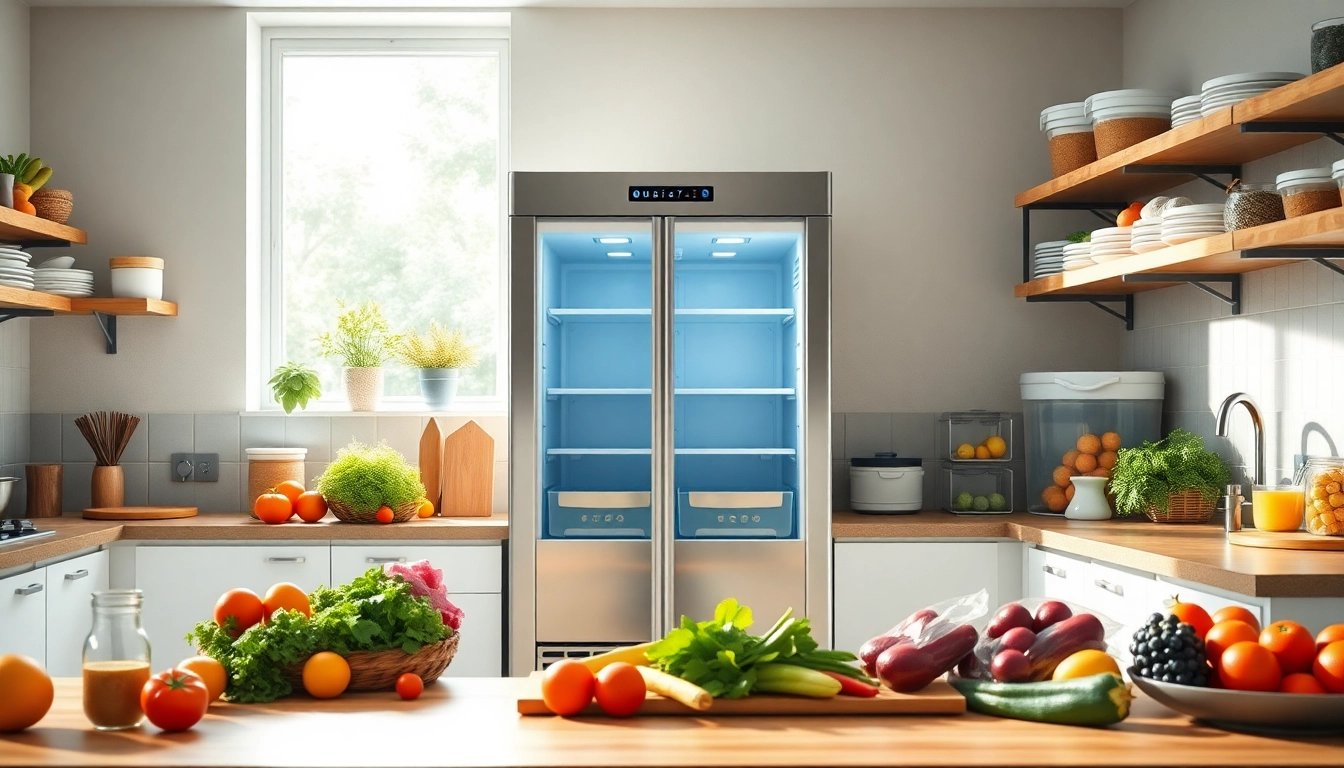
Understanding Your Freezer Needs
In today’s fast-paced world, a reliable Freezer is essential for maintaining a well-stocked kitchen. Whether you’re looking to store bulk items, preserve seasonal produce, or simply keep leftovers, understanding your specific freezer needs can lead to more effective decision-making. Let’s explore the key considerations when selecting the right freezer for your home.
Assessing Available Space for a Freezer
The first step in selecting a freezer is to assess the available space in your home. Measure the area where you intend to place the freezer. Consider factors such as door swings and accessibility, ensuring that you have enough room not just for the freezer itself, but also for opening it completely.
Additionally, think about the surface on which the freezer will sit. Most models require a flat, sturdy foundation to ensure proper functionality. Lastly, a well-ventilated area enhances efficiency and prolongs the lifespan of your unit, so ensure there’s adequate space around it for airflow.
Determining Storage Capacity Requirements
Storage capacity is another vital consideration when selecting a freezer. Freezers come in various sizes, and understanding your consumption patterns is crucial. Assess how much food you plan to store, whether it’s bulk purchases, meal prep, or storing seasonal harvests.
A general guideline is that a standard upright or chest freezer can adequately serve households of different sizes, but specific storage needs can fluctuate. For example, single individuals may find that a smaller model meets their needs, while larger families or avid cooks might require something with a substantial capacity. Understanding how much space you’ll need can prevent over or under-purchasing.
Identifying Your Freezer Usage Patterns
Are you an occasional user, or do you rely heavily on your freezer? That’s a key question to address before making your purchase. Regular users benefit from advanced features such as temperature control and quick-freeze settings, while infrequent users may find that a simpler model suffices.
Moreover, consider the types of items you plan to freeze. If you’re looking to store fresh produce or cooked meals, you may need compartments for better organization. Think about how often you’ll be accessing your freezer, and choose a model that aligns with your usage patterns for optimal convenience and efficiency.
Types of Freezers Available
Understanding the different types of freezers is crucial in ensuring you select one that best fits your needs. Freezers generally fall into three categories: chest freezers, upright freezers, and portable options. Each has its unique benefits and drawbacks.
Chest Freezer: Pros and Cons
Chest freezers are known for their spacious interiors and energy efficiency. One of the significant advantages is that they often provide better insulation than upright models, which helps maintain a consistent temperature even during power outages. If you plan to store large quantities of food items, a chest freezer is an excellent option.
However, they have some downsides. Accessing items at the bottom can be cumbersome, requiring full clearance of the top layers. Additionally, they typically take up more floor space than upright models, which can be a consideration for homes with limited room.
Upright Freezer Features and Benefits
Upright freezers are often favored for their convenience and accessibility. They come equipped with shelves and compartments, making it easier to organize and find items. This type of freezer is also generally more space-efficient, taking up a smaller footprint while providing ample storage for a diverse array of foods.
On the downside, upright freezers usually consume more energy than chest freezers, which can affect electricity bills over time. They might also be less efficient in maintaining temperature during power outages, making it essential to consider your environment and supply capabilities.
Portable Freezers: A Compact Solution
For those needing a flexible freezing solution, portable freezers are an excellent choice. These compact units are easy to transport and can be powered by either electricity or battery, making them perfect for camping trips or outdoor events.
While they provide excellent versatility, it’s essential to note that portable freezers typically offer limited storage capacity compared to chest and upright models. This should be taken into account depending on your intended use.
Key Features to Consider in a Freezer
When evaluating various freezers, certain key features can significantly impact your experience and satisfaction with your choice. This section breaks down several important criteria.
Energy Efficiency Ratings Explained
Energy efficiency should be a major consideration, especially as energy costs continue to rise. Look for freezers with the ENERGY STAR label, which indicates that they operate at least 10% more efficiently than the minimum government standards. Evaluating energy consumption can lead to savings on your electricity bill and promote a more environmentally friendly household.
In addition to efficiency ratings, compare the energy use based on size and capacity. While a larger freezer may use more energy, it can also offer savings if stocked optimally. Understanding these nuances can help you make an informed decision.
Temperature Control Options for Freezers
Consider the sophistication of the temperature control features when selecting your freezer. Freezers with adjustable settings allow for flexibility depending on the types of food stored. For example, a quick-freeze setting can be particularly beneficial when you need to freeze large items quickly without compromising quality.
Additionally, models with digital displays provide more accurate readings, allowing for better monitoring of temperature fluctuations. If you’re storing sensitive items like homemade ice cream or delicate produce, having precise control over the freezing process is paramount.
Freezer Safety Features to Look For
Safety features are crucial for ensuring your freezer’s reliability and preventing mishaps. Look for units with alarms that notify you if the temperature rises above a certain threshold, which can signal potential problems.
Other safety aspects might include child locks or shelves that prevent tipping. These features are particularly relevant if you have small children or pets in the home. Ensuring your freezer has these protections can provide peace of mind as you use it.
Maintenance Tips for Your Freezer
Even the best freezer requires regular maintenance to operate optimally. With a few simple practices, you can extend your freezer’s lifespan and maintain efficient functionality.
Cleaning Your Freezer Efficiently
Regular cleaning of your freezer prevents build-up that can hinder performance. Start by unplugging the unit and allowing it to thaw. Remove all items and give the interior a thorough cleaning with mild soap and water, avoiding any harsh chemicals that can leave residues.
When cleaning, pay special attention to the seals and gaskets. These components are crucial in keeping cold air in and maintaining efficiency. Regular upkeep will minimize odors and ensure that your food remains safe and fresh.
Checking Seals and Gaskets
Seals and gaskets play an integral role in the overall functionality of your freezer. Check them periodically for any signs of wear and tear, as damaged seals can result in energy inefficiency and temperature fluctuations.
If you notice that the seals are hard or cracked, it may be time to replace them. This process is generally straightforward, and replacing worn seals can greatly enhance the longevity and performance of your appliance.
Diagnosing Common Freezer Issues
Being proactive in diagnosing and addressing common freezer issues can save you time and money. If you notice unusual noises, inconsistent temperatures, or frost build-up, these can be indicators of underlying problems.
Common issues may include blocked vents, malfunctioning thermostats, or compressor problems. If troubleshooting doesn’t resolve the issue, consider consulting a professional technician to undertake repairs and avoid further damage.
Maximizing Your Freezer’s Potential
Once you’ve selected the right freezer, understanding how to use it to its fullest potential can enhance your cooking and storage capabilities.
Organizing Food for Easy Access
Proper organization within your freezer can save time and reduce food waste. Use clear containers and labels to clearly outline the contents, ensuring that everything is easy to see and retrieve.
Group food items by categories, such as meats, vegetables, and prepared meals. Chefs often recommend placing more frequently accessed items at the top or front for quick access. This simple method can drastically improve your cooking efficiency.
Seasonal Freezer Meal Preparation Ideas
Freezer meal preparation is a strategic way to save time and effort on busy weekdays. Dedicate a day or two to prepare large batches of meals that can be frozen for later use. Consider casseroles, soups, and chili, which freeze well and are easy to reheat.
Label each meal with the preparation date and contents to ensure that you use older items first, avoiding waste. Exploring seasonal recipes can keep the menu interesting while maximizing the potential of your freezer.
Creative Uses for Your Freezer Beyond Storage
Beyond merely storing food, there are several creative uses for your freezer. For example, freeze leftover herbs in olive oil within ice cube trays for convenient flavor boosters. You can also freeze fruit for smoothies or to chill beverages without watering them down.
Another unique use is to freeze homemade pet treats, providing your furry friends with refreshing snacks during warmer months. Each of these hacks allows you to maximize the value of your freezer beyond its traditional storage function.
FAQs About Using a Freezer
1. How long can food be stored in a freezer?
Most foods can be stored for 3-12 months in a freezer without compromising quality. Items like meat and fish generally last longer compared to baked goods or produce.
2. Should I leave the freezer full or empty?
A full freezer retains its temperature better than an empty one. If you have space, fill it with items to ensure efficiency, but avoid overpacking.
3. How often should I defrost my freezer?
Defrost your freezer when ice build-up exceeds ¼ inch to maintain efficiency and ensure optimal performance.
4. Is storing cooked food different from raw food?
Yes, cooked foods generally require less storage time than raw foods. Make sure to cool cooked items before freezing to prevent temperature spikes.
5. Can I refreeze thawed food?
Refreezing is generally safe if the food has been thawed in the refrigerator. However, flavor and texture may deteriorate with multiple freeze-thaw cycles.