Understanding Concrete Cleaning
Concrete surfaces, from driveways to patios, are often subjected to various environmental factors that leave them stained and unsightly. Over time, dirt, mildew, oil, and other contaminants can build up, diminishing the appearance and longevity of concrete structures. Therefore, understanding concrete cleaning is essential for maintaining both aesthetics and functionality. This guide will delve into the importance of professional concrete cleaning, the challenges posed by different stains, and effective cleaning methods.
What is Concrete Cleaning?
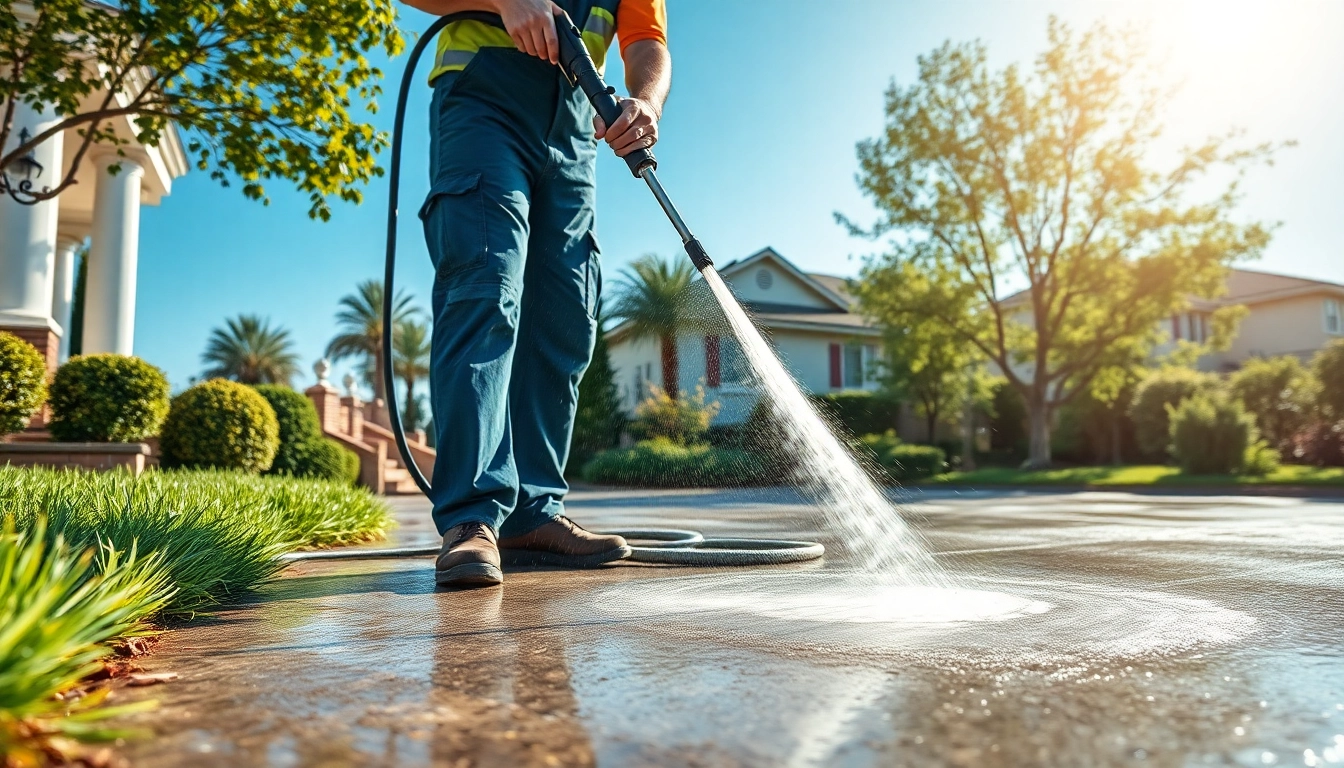
Concrete cleaning refers to the process of removing contaminants from concrete surfaces, restoring their original appearance and functionality. This process can involve various techniques, including pressure washing, chemical cleaning, and manual scrubbing. Professional services utilize specialized equipment and eco-friendly cleaning agents to ensure a thorough and safe clean.
Benefits of Professional Concrete Cleaning
- Enhances Curb Appeal: Dirty, stained concrete can be an eyesore, whereas clean surfaces significantly improve your property's visual appeal.
- Increases Durability: Regular cleaning helps remove harmful substances that can degrade concrete over time.
- Prevents Slips and Falls: Removing oil, mold, and grime can reduce the risk of accidents on driveways and walkways.
- Environmental Safety: Professional services often use eco-friendly cleaning solutions that are safe for plants and wildlife.
Common Concrete Stains and Their Causes
Concrete surfaces can suffer from various stains, each requiring specific cleaning approaches:
- Oil and Grease: Commonly found on driveways and garage floors, oil stains can be particularly tough to remove and may require degreasing agents.
- Mold and Mildew: Moist environments can lead to fungal growth, which can damage the concrete and pose health risks.
- Rust Stains: Often caused by metal furniture or plant pots left on the surface, rust can be difficult to eradicate without proper techniques.
- Food and Drink Spills: Residues from barbecues or outdoor gatherings can create unsightly stains if not cleaned promptly.
Methods for Effective Concrete Cleaning
To achieve optimal results in concrete cleaning, understanding the available methods is crucial. Professional concrete cleaners typically deploy two primary approaches: pressure washing and chemical cleaning.
Pressure Washing vs. Chemical Cleaning
Pressure washing uses high-pressure water jets to dislodge dirt and contaminants, making it particularly effective for large areas. However, it may not always be suitable for delicate surfaces or certain stains. Conversely, chemical cleaning employs specialized solutions that break down stains without extensive physical force. Often, a combination of both methods yields the best results, ensuring thorough cleaning without damaging the concrete.
Choosing the Right Cleaning Equipment
When selecting cleaning equipment for concrete, it's essential to consider the type of surface and the nature of the stains. For instance:
- Pressure Washers: Ideal for most concrete surfaces, especially for heavy-duty cleaning.
- Surface Cleaners: These add-ons to pressure washers provide even cleaning over larger areas.
- Chemical Sprayers: Necessary for applying cleaning agents effectively without wasting product.
Step-by-Step Guide to Professional Concrete Cleaning
Here’s a general process that professionals follow for effective concrete cleaning:
- Assessment: Inspect the concrete surface to determine the type and extent of staining.
- Preparation: Clear the area of furniture, debris, and any movable items.
- Pre-Treatment: Apply appropriate chemical cleaners to break down tough stains.
- Pressure Washing: Use a pressure washer with the correct nozzle and pressure setting to clean the surface.
- Rinse: Thoroughly rinse the area to remove any cleaning solutions and loosened debris.
- Post-Treatment: Consider applying a sealant to protect the concrete from future staining.
Frequency and Timing for Concrete Cleaning
Maintaining a schedule for concrete cleaning ensures surfaces remain in top condition. The frequency can depend on various factors such as location, use, and types of contaminants present.
How Often Should You Clean Your Concrete Surfaces?
For residential areas, cleaning every 6 to 12 months is often sufficient to prevent staining. However, high-traffic commercial areas may require more frequent cleaning, sometimes quarterly or monthly, to maintain an appealing appearance.
Best Seasons for Concrete Cleaning in Central Florida
In Central Florida, the best time for concrete cleaning is during the dry season, typically from late fall to early spring. During these months, the risk of rain interfering with the cleaning process is lower, allowing for effective drying and prevention of mold growth.
Environmental Factors Affecting Cleaning Schedules
Environmental factors like humidity, tree cover, and proximity to pollution sources can influence how often concrete should be cleaned. Properties surrounded by lots of vegetation or in humid areas may require more frequent cleaning due to mold and mildew growth.
Cost Considerations for Concrete Cleaning Services
Understanding the costs associated with concrete cleaning can help homeowners and business owners budget effectively for maintenance.
Understanding Pricing Structures
Concrete cleaning services typically charge based on square footage, with prices ranging from $1 to $3 per square foot. Some companies may offer package deals for combined services, especially for residential and commercial contracts.
Factors Influencing Cost: Size, Stains, and Complexity
The overall cost of concrete cleaning can vary based on several factors:
- Size of Area: Larger areas will naturally incur higher costs.
- Type of Stain: More complex stains, like grease or rust, may require special treatments that increase labor and materials costs.
- Accessibility: Areas that are harder to reach or require additional safety measures may also drive up the cost.
Cost-Effective Strategies to Maintain Clean Concrete
Regular maintenance can prevent severe staining and make professional cleaning more manageable and cost-effective:
- Immediate Cleanup: Address spills immediately to prevent permanent stains.
- Sealants: Applying sealants can protect the concrete surface and minimize staining.
- Regular Inspections: Routine checks can help identify potential problems before they necessitate extensive cleaning.
Future Trends in Concrete Cleaning for 2025 and Beyond
As technology continues to evolve, so too do the methods and materials used in concrete cleaning. Keeping an eye on upcoming trends can help consumers and businesses remain at the forefront of effective cleaning practices.
Innovative Cleaning Technologies on the Horizon
Advanced technologies such as robotic cleaners and improved pressure washing techniques are emerging on the market. These innovations promise to deliver more efficient cleaning results while reducing labor costs and minimizing environmental impact.
Eco-Friendly Cleaning Solutions and Practices
With an increasing focus on environmental consciousness, eco-friendly cleaning agents are becoming standard. These solutions effectively clean without harsh chemicals, ensuring safety for users and the environment.
Customer Expectations and Service Innovations
As consumer expectations rise, pressure washing companies are innovating their services to include advanced scheduling options, subscription models for regular maintenance, and comprehensive customer service initiatives, creating a more seamless experience for clients.