
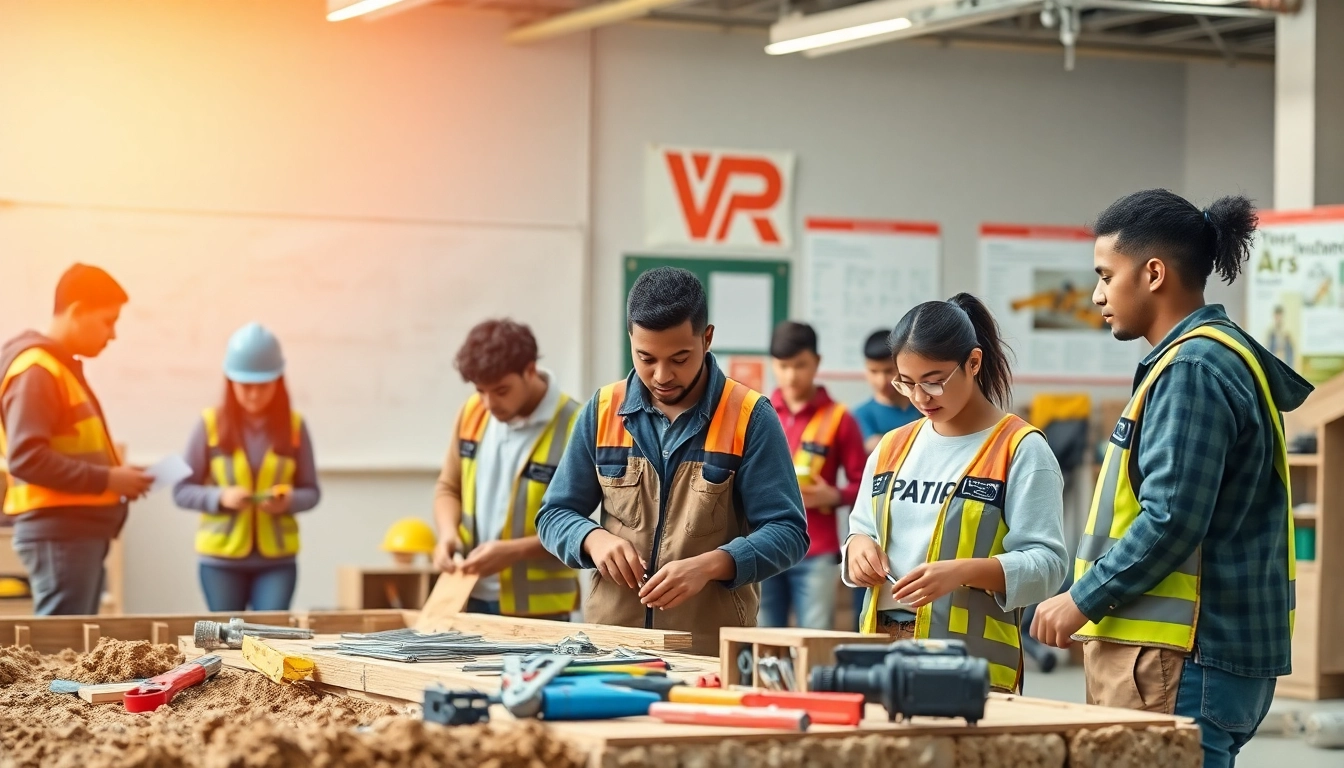
The Importance of Construction Education
In today’s rapidly evolving construction industry, construction education has become a vital component for success. It encompasses a broad spectrum of principles, technologies, and innovative practices that inform modern construction methods. To thrive in this competitive field, individuals must not only grasp foundational skills but also stay abreast of the latest advancements in construction materials and methods.
Understanding the Basics of Construction Education
Construction education refers to the training and instruction provided to individuals who seek to enter or progress in the construction industry. This education is multifaceted, focusing not only on the acquisition of technical skills but also on the understanding of industry standards, project management, and safety regulations. A solid foundation in construction education is essential for anyone looking to build a rewarding career in this field.
Benefits of Skilled Construction Workers
The demand for skilled construction workers continues to rise as new projects emerge and the need for infrastructure development grows. Trained professionals play a key role in ensuring the quality and safety of building projects. Skilled construction workers often enjoy numerous benefits, including higher salaries, job security, and opportunities for career advancement. Moreover, well-educated workers can significantly reduce construction delays and errors, which ultimately boost the profitability of construction firms.
Overview of Education Programs Available
Various education programs cater to the diverse needs of the construction industry. These programs can range from high school vocational courses to advanced degrees in construction management. Apprenticeships also serve as critical connectors, providing practical experience while individuals study. With the growing popularity of online learning, many institutions now offer digital courses that allow students to absorb materials at their own pace, making construction education more accessible than ever before.
Types of Construction Education Programs
Vocational Training and Apprenticeships
Vocational training provides students with hands-on experience and practical skills directly relevant to construction jobs. This type of training often includes a mix of classroom instruction and fieldwork. Apprenticeships, which combine technical or vocational training with on-the-job experience, offer an excellent pathway for those seeking to enter the industry. Participants can earn while they learn and are often more appealing to employers due to their practical knowledge and skill sets.
Certifications and Specialized Courses
Certifications from recognized organizations can significantly bolster a worker’s credentials. Specialized courses cover essential topics such as OSHA safety regulations, project management, and building codes. These courses not only enhance job prospects but also enable workers to command higher salaries by demonstrating their expertise in specialized areas of construction.
Online Learning Options in Construction Education
Online education platforms have democratized access to construction education. Through various digital learning modules, students can gain knowledge in construction management, sustainable building practices, and more without the constraints of a physical classroom. This flexibility caters to a broad demographic, allowing working professionals to upskill or those wishing to make a career switch to learn at their convenience.
Key Skills Learned in Construction Education
Technical Skills Required for Construction
The technical skills acquired through construction education are pivotal. These include understanding building materials, learning how to read blueprints, and mastering the use of construction tools and equipment. As technology becomes increasingly integrated into construction, familiarization with software used for design and project management is also essential.
Soft Skills Development through Training
In addition to technical abilities, construction education emphasizes the soft skills that are equally important for success in the industry. Skills such as teamwork, communication, and problem-solving are critical, especially on large construction sites where collaboration among diverse groups is common. Training programs increasingly incorporate soft skills training to prepare workers for interpersonal challenges they may face in the field.
Safety and Compliance Training in Construction
Safety is paramount in the construction industry. Comprehensive training in safety protocols helps prevent accidents on job sites. Courses on compliance with local, state, and federal regulations impart essential knowledge to workers, ensuring they understand the legal requirements of their job. This training not only protects employees but also safeguards companies against costly fines and legal issues stemming from workplace accidents.
Choosing the Right Construction Education Path
Factors to Consider When Selecting a Program
When selecting a construction education program, prospective students should consider several factors. These include the program’s curriculum, the reputation of the institution, accessibility, and the availability of hands-on learning opportunities. Reviewing program outcomes, such as graduate employment rates, can also provide insight into the effectiveness of the education provided.
Assessing Your Career Goals
It’s crucial for individuals to align their educational pursuits with their long-term career goals. Whether aiming to become a skilled tradesperson, project manager, or construction engineer, understanding the specific skills and qualifications needed for each role will help guide the selection of the appropriate educational pathway. Seeking mentorship or industry advice can further clarify an individual’s direction.
Evaluating Program Accreditation and Reputation
Choosing an accredited program ensures that the education provided meets established standards of quality. Students should research the institution’s reputation, noting programs that are well-regarded in the industry. This reputation can significantly impact hiring decisions and career advancement opportunities in the future.
Future Trends in Construction Education
Innovations and Technology in Construction Training
As the construction industry embraces technology, education systems are adapting to integrate innovative teaching methods. Virtual reality (VR) and augmented reality (AR) are being used to create immersive training experiences. These technologies allow students to practice skills in a safe and controlled environment before stepping onto real job sites.
Job Market Evolution and Skill Requirements
The job market for construction professionals is evolving rapidly due to technological advancements and changing building practices. Future workers must be equipped with skills that cater to green building practices, energy efficiency, and the use of smart technology in construction. Ongoing education and upskilling will be essential as these trends become more dominant.
Continuing Education for Construction Professionals
With the construction landscape continuously changing, the importance of continuing education cannot be overstated. Professionals must commit to lifelong learning to remain competitive. This may involve pursuing advanced certifications, attending workshops, or engaging in community learning networks to stay informed on industry best practices and innovations.
FAQs About Construction Education
What is construction education?
Construction education refers to training and instruction focusing on skills, knowledge, and practices necessary in the construction industry.
Do I need a degree to work in construction?
No, but pursuing vocational training or certifications can significantly enhance your employability and skills in the industry.
What are the best types of construction education programs?
Vocational training, apprenticeships, certifications, and online courses are all excellent options depending on career goals.
How can I improve my construction skills?
Engaging in hands-on training, attending workshops, obtaining certifications, and seeking mentorship are effective ways to improve skills.
What is the future of construction education?
The future lies in integrating technology, emphasizing safety, adapting to green practices, and offering flexible learning options.