
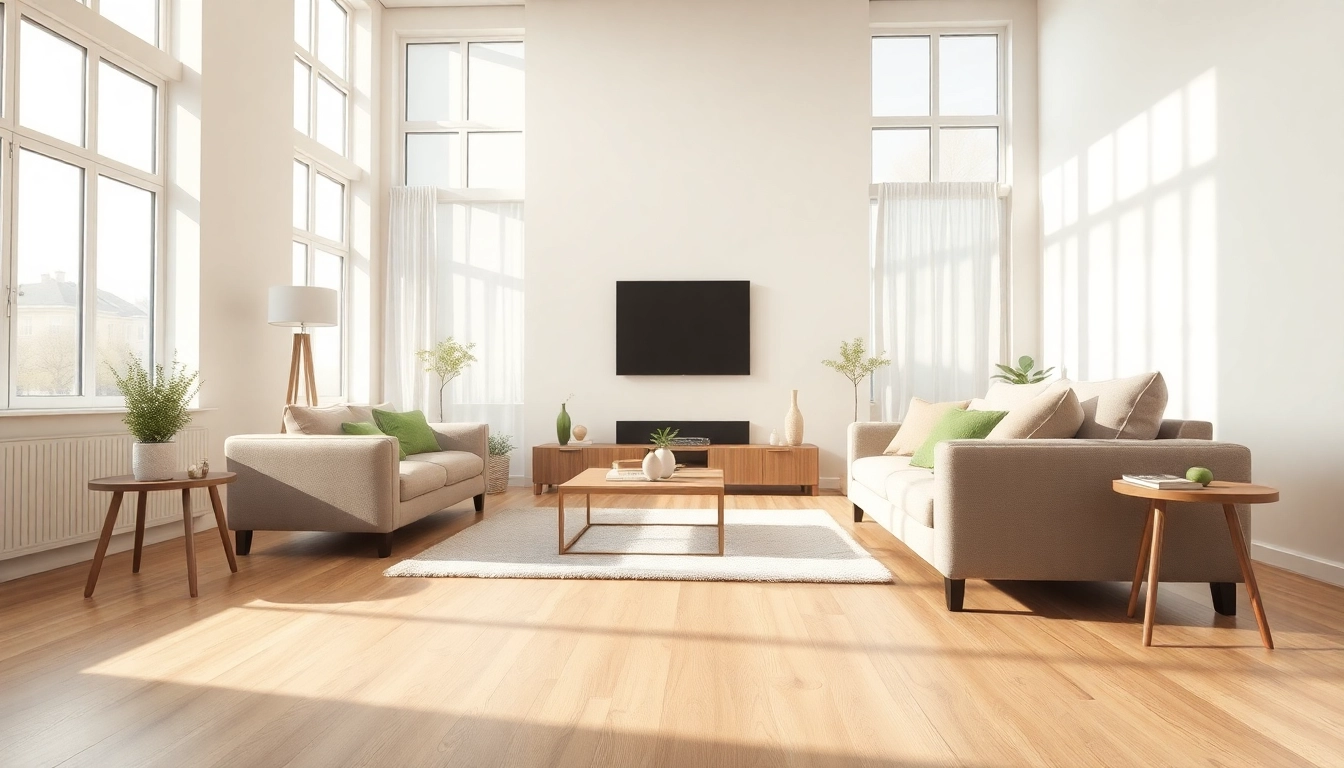
Understanding Vinyl Flooring
What is Vinyl Flooring?
Vinyl flooring is a popular flooring solution known for its versatility and durability. Composed primarily of polyvinyl chloride (PVC), vinyl flooring is designed to mimic the appearance of natural materials like wood and stone while providing an affordable and resilient alternative. Available in various styles, colors, and textures, vinyl flooring caters to a diverse range of design preferences and practical needs. It has become a go-to choice for homeowners due to its water-resistant properties and ease of maintenance. Many consumers opt for vinyl flooring because of its ability to handle high-traffic areas and resist stains and scratches.
Types of Vinyl Flooring
Vinyl flooring comes in several types, each offering distinct characteristics suitable for various applications:
- Sheet Vinyl: A large continuous piece of vinyl that provides a seamless appearance. It’s ideal for large areas and is easy to install.
- Vinyl Planks: Resembling hardwood, these planks are designed to mimic the look of real wood while offering enhanced durability. They are available in various thicknesses and styles.
- Luxury Vinyl Tile (LVT): This premium option combines the durability of vinyl with natural aesthetics. LVT can imitate the look of both ceramic tile and stone, making it a favorite for upscale settings.
- Vinyl Composite Tile (VCT): Made from a mixture of natural and synthetic materials, VCT is often used in commercial settings due to its cost-effectiveness and durability.
Advantages of Vinyl Flooring
Vinyl flooring offers numerous advantages over traditional flooring materials:
- Affordability: Generally more cost-effective than wood or stone, making it accessible for budget-conscious homeowners.
- Water Resistance: Ideal for moisture-prone areas like kitchens and bathrooms due to its inherent water-resistant properties.
- Comfort: Softer underfoot compared to tile or hardwood, providing a more comfortable walking surface.
- Easy Installation: Can often be installed as a DIY project with minimal tools, especially with products designed for glue-down or click-lock installation.
- Low Maintenance: Requires simple cleaning procedures, typically just sweeping and mopping, as it doesn’t stain easily.
- Variety of Designs: Extensive design options allow homeowners to achieve their desired aesthetic without compromising on durability.
Choosing the Right Vinyl Flooring for Your Home
Factors to Consider
Before selecting the right vinyl flooring for your home, consider the following factors:
- Room Functionality: Think about the purpose of the room, as some vinyl options may be better suited for high-traffic areas or moisture-heavy environments.
- Style Preferences: Choose colors and textures that complement your home’s decor and architecture. Some homeowners prefer modern looks, while others lean towards traditional styles.
- Budget: Establish a budget before shopping. Prices can vary greatly depending on style and type, so understanding your limits will help narrow down options.
- Durability Requirements: Consider how much wear and tear your flooring will endure. For instance, households with pets may need more durable flooring than those without.
Design Options Available
Vinyl flooring comes in an extensive range of designs, textures, and finishes, including:
- Realistic Wood Looks: Many vinyl planks are designed to look and feel like hardwood, complete with natural grain patterns.
- Stone and Tile Effects: Luxury vinyl can mimic the appearance of ceramic or stone tiles, offering an upscale aesthetic without the expensive price tag.
- Bold Colors and Patterns: From vibrant hues to intricate geometric designs, vinyl is available in nearly any color or pattern you can imagine.
Environmentally Friendly Choices
With increased awareness of environmental issues, many manufacturers now produce eco-friendly vinyl flooring options that are PVC-free and made from recycled materials. These products emit lower levels of volatile organic compounds (VOCs), making them safer for indoor air quality. Look for certifications such as FloorScore or GreenGuard that ensure the flooring meets strict standards for environmental safety.
Installation Process of Vinyl Flooring
Preparation Steps
Successful installation begins with proper preparation. Here are the essential steps:
- Assess the Subfloor: Ensure the subfloor is clean, dry, and level. Any imperfections can affect the final appearance of the flooring.
- Acclimate the Material: Allow the vinyl flooring to acclimate to the room’s temperature and humidity for at least 48 hours before installation.
- Gather Tools: Common tools needed include a utility knife, measuring tape, straight edge, adhesive (if required), and a roller.
DIY vs Professional Installation
While many homeowners opt for DIY installation due to lower costs, hiring a professional can ensure a flawless finish and save time. DIY installations often involve measuring, cutting, and gluing, while professionals possess the experience to deal with unforeseen complications and ensure proper alignment, especially in complex layouts. Consider your own skill level, the size of the project, and your budget when deciding.
Maintenance Tips Post-Installation
Keeping your vinyl flooring in top condition involves basic maintenance steps:
- Regular Cleaning: Sweep or vacuum regularly to remove dirt and debris, and mop with a damp mop using a mild cleaner.
- Protect from Scratches: Use felt pads under furniture legs and avoid dragging heavy items across the floor.
- Address Spills Promptly: Wipe up spills immediately to avoid stains and water damage.
Comparing Vinyl Flooring with Other Materials
Vinyl vs Hardwood Flooring
When comparing vinyl flooring with hardwood, several key differences stand out. While hardwood offers an authentic, timeless aesthetic and can increase home value, it typically comes with a higher price tag and requires more maintenance. Vinyl flooring, on the other hand, provides a similar look at a fraction of the cost with less upkeep. Additionally, vinyl is more resistant to moisture and scratches, making it a practical choice for families and high-traffic areas.
Cost Analysis of Flooring Options
Understanding the costs involved in new flooring can help you make informed decisions:
- Vinyl Flooring: Generally ranges from $2 to $7 per square foot, depending on the type and quality.
- Hardwood Flooring: Costs between $5 to $15 or more per square foot, with installation fees adding significant expense.
- Tile Flooring: Typically priced between $1 to $20 per square foot, depending on material and design complexity.
Durability and Longevity Comparison
Vinyl flooring is known for its durability, often lasting 10-20 years with proper care, whereas hardwood can last a lifetime if maintained. However, hardwood is susceptible to scratching and moisture damage. Vinyl, especially luxury options, tend to perform well under stress, making it a practical solution for active households.
FAQs about Vinyl Flooring
How to clean vinyl flooring?
Cleaning vinyl flooring is simple. Regularly sweep or vacuum, and mop with a damp cloth using mild, pH-neutral cleaners. Avoid abrasive scrubbers.
Is vinyl flooring suitable for bathrooms?
Yes, vinyl flooring is water-resistant and a great choice for bathrooms. Ensure it is properly sealed to prevent water damage.
What is the lifespan of vinyl flooring?
With proper maintenance, vinyl flooring can last anywhere from 10 to 20 years, depending on the quality and installation method.
Can I install vinyl flooring over existing floors?
Yes, vinyl flooring can often be installed over existing floors, provided they are smooth and level, reducing the need for extensive subfloor preparation.
Are there waterproof vinyl flooring options?
Yes, many luxury vinyl tiles (LVT) and planks offer waterproof features, making them an excellent choice for moisture-prone areas like kitchens and bathrooms.