
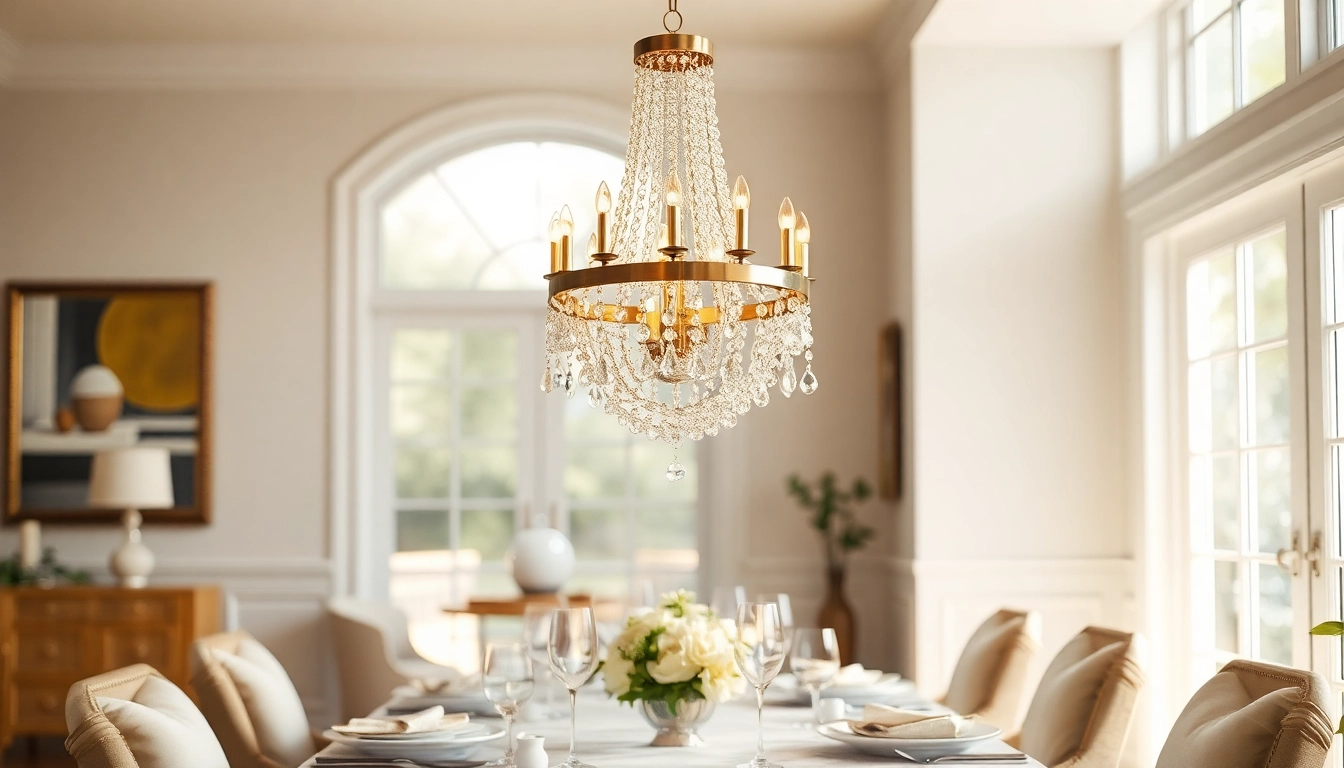
Understanding Island Chandeliers
Island chandeliers are striking lighting fixtures, specifically designed to illuminate kitchen islands or dining areas. Their elegant designs and functionality can significantly enhance the ambiance of any room. When incorporating an island chandelier into your space, understanding various aspects such as styles, sizing, and placement becomes essential for creating an ideal lighting scheme.
What is an Island Chandelier?
An island chandelier is a large suspended lighting fixture typically hung over a kitchen island or dining table. These fixtures are designed not only for illumination but also as decorative focal points in a room. Unlike standard chandeliers, island chandeliers tend to be longer, sometimes featuring multiple light sources to provide adequate lighting across a wider area. Crafted from various materials such as metal, glass, or wood, their styles can range from modern minimalist to ornate traditional designs.
Common Styles of Island Chandeliers
Island chandeliers are available in numerous styles, each offering a unique aesthetic that can enhance your interior decor. Common styles include:
- Industrial: Featuring raw materials like metals and Edison bulbs, industrial chandeliers add a rustic charm to contemporary spaces.
- Modern: Sleek lines and geometric shapes characterize modern island chandeliers, often utilizing materials such as chrome or matte black finishes.
- Traditional: These designs often include intricate details, ornate motifs, and materials like crystal or wrought iron, perfect for classic interiors.
- Farmhouse: Emphasizing simplicity and functionality, farmhouse chandeliers incorporate wood and metal elements to create a cozy atmosphere.
- Transitional: Blending both contemporary and traditional elements, transitional chandeliers offer versatility that suits many styles.
How to Choose the Right Size
Selecting the appropriate size for your island chandelier is crucial to achieving the desired balance in your space. A general guideline is to ensure the chandelier’s width is roughly one-half to two-thirds the width of the dining or kitchen island beneath it. Additionally, consider the height of the ceiling and the desired look. For a standard ceiling height of 8 to 9 feet, the bottom of the chandelier should typically hang between 30 to 36 inches above the countertop or table.
Placement Tips for Island Chandeliers
Placement of an island chandelier can make or break the overall aesthetic and functionality. Here are key considerations for effective placement:
Ideal Room Types for Island Chandeliers
While commonly used in kitchens, island chandeliers can enhance various types of rooms. Ideal spaces include:
- Kitchen: Positioned over islands or breakfast bars, they provide functional yet stylish lighting.
- Dining Rooms: Perfect for adding elegance over dining tables, complementing your dining experience.
- Open Concept Living Spaces: They can define areas in open spaces, providing a focal point that connects different zones.
Height and Positioning Guidelines
When determining the height and position of an island chandelier, several factors come into play:
- Ceiling Height: For higher ceilings, consider a longer chain or rod to lower the chandelier appropriately.
- Coverage: Ensure the chandelier illuminates the entire area beneath it, especially in functional spaces like kitchens.
- Symmetry: Aim for symmetrical placement in relation to the island or table for visual harmony.
Complementing Existing Decor
When selecting an island chandelier, it’s essential to complement existing decor. Consider the following tips:
- Material Consistency: Match the chandelier’s materials with other fixtures or furniture for a cohesive look.
- Color Coordination: Choose colors that harmonize with the overall palette of the room, creating a unified atmosphere.
- Style Alignment: Ensure that the chandelier’s style is in alignment with the room’s design theme, whether it’s contemporary, traditional, or eclectic.
Design Inspiration for Island Chandeliers
Inspiration for design is critical in selecting the perfect island chandelier. Here are some key trends to explore:
Contemporary vs. Traditional Styles
The choice between contemporary and traditional styles often depends on personal taste and the existing decor. Contemporary chandeliers tend to favor clean lines, innovative materials, and minimalistic designs, while traditional chandeliers often boast intricate details, rich materials, and classic silhouettes. When deciding, consider how well each style integrates into your space and enhances your overall design vision.
Using Color and Material for Impact
Color and material choices are crucial for making a bold statement. For instance:
- Metal Finishes: Opt for brass or brushed nickel to add warmth and refinement.
- Glass Accents: Incorporating glass shades can soften the light and introduce a modern touch.
- Wood Elements: Wooden fixtures can evoke a rustic charm and complement natural-themed decor.
Matching with Other Lighting Fixtures
To create a cohesive lighting plan, it’s advisable to match the island chandelier with other lighting fixtures throughout the space. Consider selections that mirror design elements, such as color or material, to unify the aesthetic. For example, pendant lights over the kitchen island can complement the chandelier while providing functional task lighting.
Maintenance and Care for Island Chandeliers
Proper maintenance of your island chandelier ensures it remains a stunning centerpiece. Understanding cleaning techniques and care recommendations is essential:
Cleaning Techniques for Different Materials
Different materials require distinct care routines:
- Metal: Use a soft cloth and mild cleaner suitable for metals to avoid tarnishing.
- Glass: A gentle glass cleaner or a vinegar-water solution can keep glass components sparkling clean.
- Wood: Dust regularly and use wood polish to maintain its luster.
How to Ensure Longevity
To extend the life of your island chandelier, keep the following tips in mind:
- Regular Maintenance: Schedule periodic checks for loose bulbs and secure fittings.
- Correct Bulb Usage: Use the recommended wattage to prevent overheating.
- Protect Against Moisture: In environments like kitchens, ensure the fixture is not exposed to excessive humidity.
When to Seek Professional Help
If you encounter issues beyond minor cleaning or bulb replacement, it may be time to call a professional. This includes:
- Installation Problems: If the lighting isn’t securely fastened or aligned.
- Electrical Issues: When dealing with flickering lights or wiring problems.
- Complex Repairs: For restorations or refinishing that requires expertise.
FAQs About Island Chandeliers
What is the best height for hanging an island chandelier?
The ideal height is generally 30 to 36 inches above the island surface. Adjust based on your ceiling height.
Can an island chandelier work in a low ceiling?
A low-profile chandelier can work well in spaces with lower ceilings, providing style without overpowering the room.
How many bulbs do I need for my island chandelier?
Typically, aim for about 20 to 30 watts per square foot of surface area for adequate lighting across the space.
Are island chandeliers dimmable?
Many are, especially if paired with a compatible dimmer switch, allowing for adjustable light levels to suit different activities.
What materials are common for island chandeliers?
Common materials include metal, glass, wood, and crystals for aesthetic appeal, creating various styles to suit your decor.