
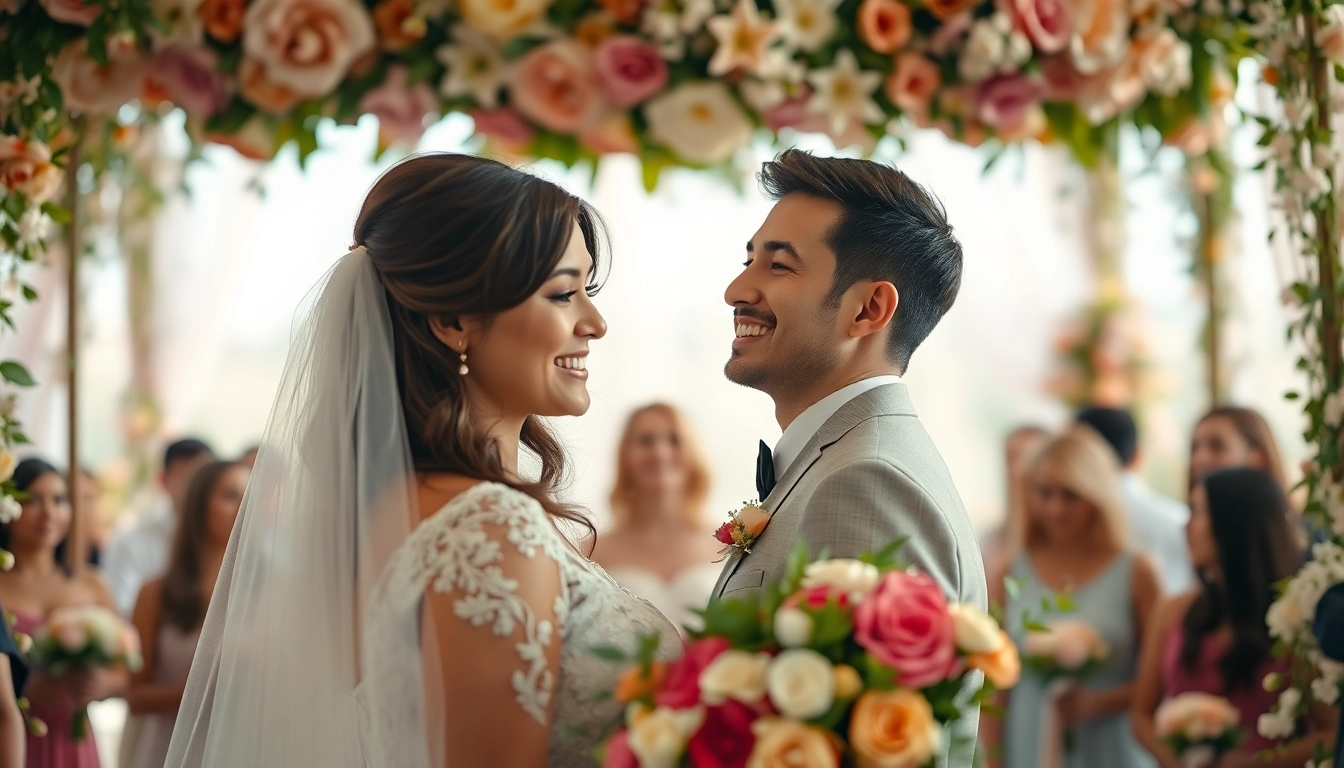
Understanding the Role of a Wedding Photographer
A wedding photographer plays a pivotal role in capturing one of the most important days in a couple’s life. They are responsible for not just taking pictures but documenting the emotions, interactions, and details that make a wedding unique. The significance of selecting the right Wedding photographer cannot be understated, as these images will serve as cherished memories for years to come.
What Does a Wedding Photographer Do?
The responsibilities of a wedding photographer extend far beyond merely snapping photos during the ceremony and reception. They are tasked with understanding the couple’s vision, scouting locations, setting up shoots, and managing lighting conditions. Furthermore, they often collaborate with other vendors, such as wedding planners and florists, to ensure the aesthetic elements of the day are well documented.
During the event, wedding photographers capture candid moments—like the bride’s emotional walk down the aisle or the groom’s nervous anticipation. Additionally, they meticulously stage important shots, including family portraits and detail shots of the rings and decorations. After the wedding, their work continues in post-production, where they edit and retouch the images to ensure quality.
Choosing the Right Wedding Photographer
When selecting a wedding photographer, couples should start by examining their portfolios. Look for a body of work that resonates with your style, whether it be traditional, photojournalistic, or artistic. Also, consider their experience and familiarity with your chosen venue, as this can profoundly impact the overall quality of the images. Don’t forget to check for reviews or testimonials from past clients to gauge their professionalism and reliability.
Engaging with a potential photographer through an initial consultation is also critical. This meeting allows couples to discuss their preferences, ask questions, and gauge the photographer’s personality. A good rapport is essential since the photographer will be close to your personal space on your wedding day.
Photography Styles to Consider
Wedding photography encompasses various styles that cater to different preferences and themes. Here are some mainstream styles you should consider:
- Traditional: Characterized by posed shots and formal portraits, this style often aims to capture the elegance of the wedding.
- Photojournalistic: This style focuses on candid moments and storytelling, capturing the day as it unfolds naturally.
- Fine Art: Combining artistic vision and technicality, fine art photography includes creative use of light, color, and composition to create visually stunning images.
- Documentary: Similar to photojournalism, this approach captures real-life moments, emphasizing authenticity without interference.
- Editorial: Inspired by fashion photography, editorial wedding photography features posed images with dramatic flair and stylistic elements.
Planning Your Wedding Photography
Effective planning is crucial for maximizing the success of your wedding photography. It involves thoughtful consideration of the timeline, locations, and significant individuals to include in your shots.
Creating a Photography Timeline
A detailed photography timeline will assist in organizing the day’s events and ensuring no special moments are overlooked. A typical timeline includes time slots for getting ready shots, the ceremony, family portraits, and couple’s portraits. Couples should communicate this timeline with their photographer in advance, allowing them to plan accordingly. Establishing buffer times is also helpful, as weddings can often run behind schedule.
Choosing Locations for Your Photos
The choice of photo locations is vital in achieving stunning wedding photography. Consider spots that reflect your unique relationship or highlight the venue’s beauty. Scenic outdoor locations such as parks, gardens, or gorgeous architecture can yield breathtaking backdrops. Discuss potential photo spots with your photographer, who can suggest locations based on lighting and aesthetics. Don’t overlook the possibility of indoor locations if weather poses a concern.
Family and Friends: Who to Include?
Deciding who to include in wedding photos can be challenging, especially with large families. It’s essential to create a list of key family members and friends that are meaningful to you. Your photographer can aid in organizing group shots but providing a clear list ensures that no one is missed. It can also be helpful to designate a family member as a point person to gather people for photographs during the busy day.
How to Work Effectively with Your Wedding Photographer
Building a collaborative relationship with your wedding photographer is essential for capturing the best moments and achieving the desired results. Here’s how you can create harmony during your wedding photography experience.
Communicating Your Vision
Clear communication is critical when it comes to sharing your vision for wedding photography. Couples should provide their photographer with examples of images they love, including specific styles or poses that resonate with them. Discussing any must-have shots or specific moments that are particularly meaningful can help direct the photographer’s focus.
Pre-Wedding Meetings
Scheduling pre-wedding meetings is beneficial for both the couple and the photographer. These meetings offer an opportunity to finalize details, address any concerns, and develop a deeper connection. Additionally, a pre-wedding shoot can be arranged, which allows both parties to feel comfortable with each other and the camera before the big day.
Trusting Your Photographer’s Expertise
Once the planning is complete, it’s vital to trust your wedding photographer’s expertise during the event. They know how to adapt to changing conditions, capture the right moments, and make the best use of available light. Avoid micromanaging; instead, allow them to express their creativity, as this often results in natural-looking and memorable images.
Post-Wedding: What to Expect from Your Photographer
The conclusion of the wedding day marks the beginning of the photographer’s post-production work. Knowing what to expect during this phase can alleviate anxiety for couples eagerly awaiting their images.
Editing and Retouching Your Images
After the wedding, your photographer will meticulously edit and retouch the photos. This step includes correcting exposure, adjusting colors, and enhancing specific elements to ensure that the final images are polished and striking. The editing process can vary in length depending on the volume of images, but quality work cannot be rushed, so patience is essential.
Receiving and Sharing Your Photos
Once completed, couples typically receive their photos through an online gallery or a USB drive. This method allows for easy downloading, sharing with family and friends, and social media posting. It’s common for photographers to provide an estimated timeline for photo delivery, ensuring couples are aware of when to expect their cherished memories.
Creating Albums and Prints
In addition to digital images, many photographers offer album design and printing services. Couples can collaborate with their photographer to create a personalized album that tells the story of their day. Physical prints also add a tangible dimension to your memories, with various options available from traditional prints to canvas artwork and more.
Common Questions About Wedding Photography
How Much Should I Budget for a Wedding Photographer?
Wedding photography budgets vary greatly, typically ranging from a few hundred to several thousand dollars, depending on experience and package options. It’s important to allocate your budget in accordance with how vital photography is to you.
How Long Until We Get Our Photos?
Most photographers require several weeks to edit photos, with timelines often falling between 4 to 12 weeks after the wedding day. Don’t hesitate to discuss delivery times upfront during your consultation.
Can We Request Specific Shots?
Yes, you can request specific shots or poses you desire. Share these with your photographer during the planning phase so they understand your vision. Providing a shot list can be helpful.
What Happens if It Rains on Our Wedding Day?
In the event of rain, your photographer will adapt by finding suitable indoor locations or incorporating umbrellas or other elements into creative shots. It’s key to remain flexible and trust their judgment.
How Do We Choose the Best Location for Our Photos?
Choosing a photo location requires considering elements like lighting, backgrounds, and personal significance. Collaborate with your photographer for the best recommendations tailored to your wedding venue.