
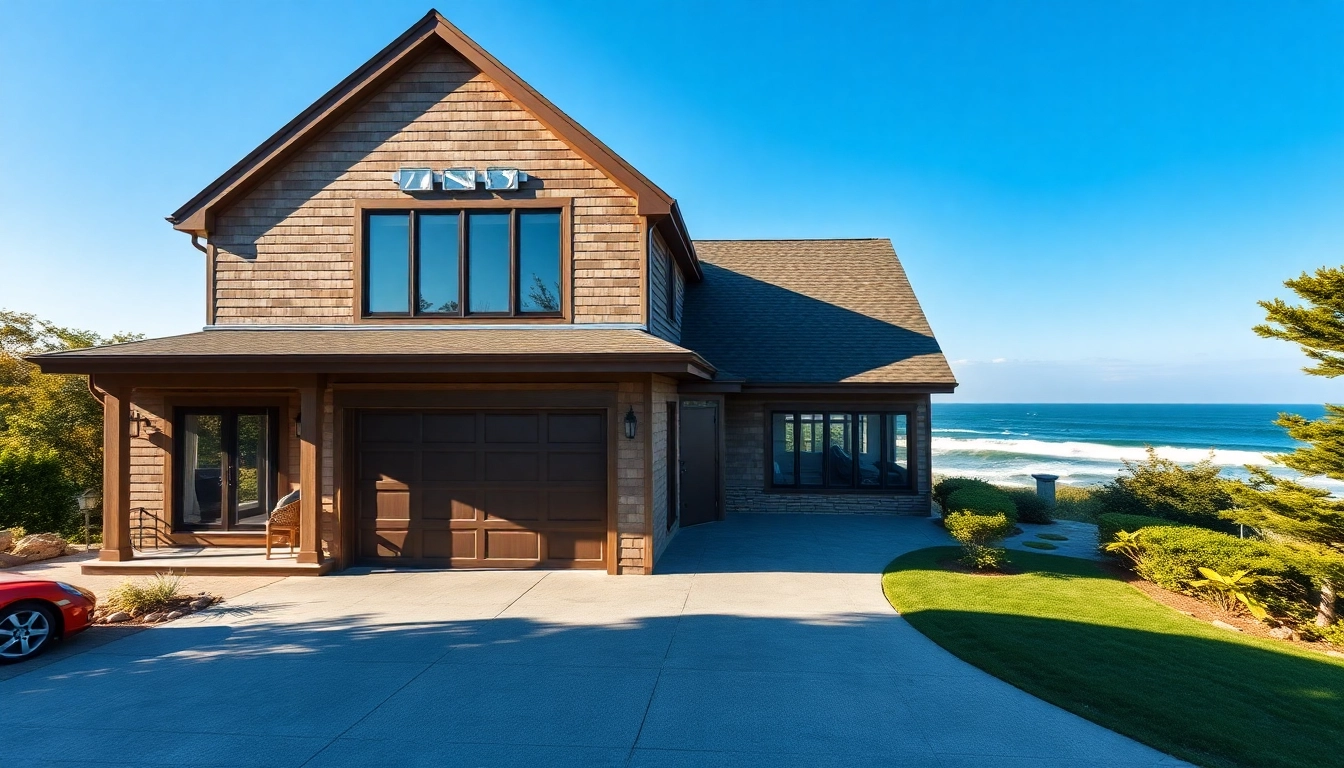
Understanding Cape Cod Home Additions
What is a Cape Cod Home Addition?
A cape cod home addition generally refers to an extension or modification of an existing Cape Cod-style home, which is characterized by its steeply pitched roof, dormer windows, and symmetrical design. These additions can enhance the size, functionality, and sometimes the aesthetic appeal of a home while preserving the original architectural style. Common types of additions include expanded living rooms, additional bedrooms, or even attached garages, each tailored to meet the family’s needs and lifestyle preferences.
Benefits of Expanding Your Cape Cod Home
Expanding a Cape Cod home offers numerous benefits. Firstly, it enhances living space, providing room for growing families or additional functionality such as a home office or gym. Expansion can also increase property value, an important consideration for homeowners intending to sell in the future. Furthermore, it allows for personal transformation of the space, making it more aligned with contemporary tastes or evolving lifestyles. Lastly, a well-planned addition can improve the home’s energy efficiency if designed with sustainable practices in mind.
Key Design Elements to Consider
When designing a Cape Cod home addition, several key elements should be considered. These include maintaining the architectural integrity of the original structure, harmonizing with the surrounding landscape, and ensuring compliance with local zoning laws. Additionally, factors such as rooflines, window alignment, and exterior materials should closely match the existing home. It’s also crucial to consider interior layout and flow, ensuring the new space integrates seamlessly with the original structure for a cohesive living experience.
Planning Your Cape Cod Home Addition
Budgeting for Your Home Addition
Creating a budget for your Cape Cod home addition is a critical first step. Ensure you account for all aspects of the project, including design, materials, labor, and permits. Start with a detailed estimate based on your desired scope of work. It can be helpful to consult with professionals such as architects or contractors to gather insights on typical costs associated with different types of additions. Remember to set aside at least 10% of your total budget for unexpected expenses, which are common in construction projects.
Choosing the Right Materials
The choice of materials can significantly affect both the aesthetics and functionality of your Cape Cod home addition. Opt for materials that resonate with traditional Cape Cod designs, such as wood siding, natural stone, or brick. Durability and energy efficiency should also be prioritized. For instance, high-quality insulation materials can help maintain comfort in extreme weather, while sustainably sourced products contribute to environmentally-conscious building practices. Ensure that any chosen materials are compatible with maintenance and lifespan expectations.
Working with Architects and Contractors
Collaboration with skilled architects and contractors is essential for a successful Cape Cod home addition. Start by researching potential partners thoroughly; look for experienced professionals with a portfolio of similar projects. During initial discussions, be clear about your vision, budget, and timeline. Regular communication is key throughout the project, as it fosters transparency and allows for prompt adjustments should issues arise. Establishing a project timeline with milestones can help maintain momentum and ensure adherence to deadlines.
Designing Your Cape Cod Home Addition
Maximizing Natural Light
In a Cape Cod home addition, maximizing natural light can create an inviting atmosphere. Consider the positioning of windows, skylights, and glass doors that welcome light while offering views of the outdoors. Open floor plans can help facilitate light flow throughout the space. Moreover, choosing lighter colors for walls and furnishings can enhance brightness and a sense of spaciousness. Integrating design features that reflect natural surroundings can further harmonize the indoor and outdoor spaces.
Integrating Indoor and Outdoor Spaces
To enrich the living experience, designing a seamless transition between indoor and outdoor areas is crucial. Large sliding or folding doors can open up to patios or gardens, promoting outdoor activities and gatherings. Decks or porches can further extend livable space, especially in warmer months. Consider incorporating landscaping elements that connect the addition visually and physically to the outdoor environment, such as flower beds, walkways, or water features that enhance the overall ambiance and appeal.
Choosing the Right Color Palette
The color palette you select for your addition can influence the overall feel and coherence of the home. Traditional Cape Cod homes often feature a blend of neutral tones, with accents of brighter colors that reflect coastal themes. Grays, whites, and soft blues can elicit a serene atmosphere. Meanwhile, darker shades can add depth and sophistication. It’s essential to consider how the color choices will age over time and their maintenance needs, opting for hues that endure the elements and maintain visual appeal.
Implementing Sustainable Practices
Energy Efficiency in Home Additions
Incorporating energy-efficient solutions into your Cape Cod home addition can lead to long-term cost savings and environmental benefits. Strategies may include installing energy-efficient windows, utilizing high-quality insulation, and opting for energy-efficient heating, ventilation, and air conditioning systems. Solar panels can also be a worthwhile investment that reduces reliance on traditional power sources. Furthermore, employing thermal mass materials can help regulate indoor temperatures and reduce energy consumption.
Using Recycled Materials
Using recycled materials in your addition supports sustainability and can add unique character to the space. Many architects and builders offer reclaimed wood, recycled glass, and other materials that reduce the carbon footprint of building projects. For example, reclaimed wood can be used for flooring, beams, or furniture, lending a rustic charm to your Cape Cod home addition. Moreover, exploring local sources for recycled materials can support community sustainability initiatives and reduce transportation emissions.
Landscaping for Sustainability
Landscaping plays a critical role in the sustainability of your home addition. Emphasizing native plants requires less water and maintenance, ensuring that your garden thrives without extensive resources. Incorporate permeable paving in outdoor areas to manage stormwater and minimize runoff. Consider installing rain gardens or bioswales, which can enhance aesthetics while benefiting the environment. Selecting sustainable landscaping practices can boost the overall resilience and longevity of your property as well.
Frequently Asked Questions about Cape Cod Home Additions
How long does a typical home addition take?
The duration of a home addition can vary based on size and complexity. Generally, a standard project may take anywhere from a few weeks to several months. Factors such as permitting and weather conditions can also influence timelines. Consulting with your contractor can provide a more accurate timeline based on the specific details of your project.
What permits are needed for a home addition?
Permitting requirements depend on local regulations and the scope of your project. Common permits may include building permits, zoning permits, and electrical or plumbing permits. It’s essential to check with your local building department to understand the necessary permits and regulations to ensure compliance for your Cape Cod home addition.
Can I stay in my home during construction?
Staying in your home during construction can be feasible, though it often depends on the project’s scale and location. Smaller additions may allow you to remain comfortable at home, while larger projects might disrupt living conditions. Discussing your options with your contractor can help determine the best approach for your comfort during the construction phase.
What are the main costs involved?
Costs for a Cape Cod home addition can vary widely. Major expense categories typically include design fees, construction materials, labor, permits, and miscellaneous expenses. It’s best to create a detailed budget that covers all these areas, allowing for unexpected costs. Consulting with professionals can help ensure you have an accurate estimate from the beginning.
How do I choose an architect for my project?
Choosing an architect involves researching their portfolios, understanding their design philosophy, and ensuring their experience aligns with your project needs. Schedule initial consultations to discuss your vision and gauge their understanding and communication skills. Securing references from previous clients can also provide insights into their work ethic and reliability throughout the project.