
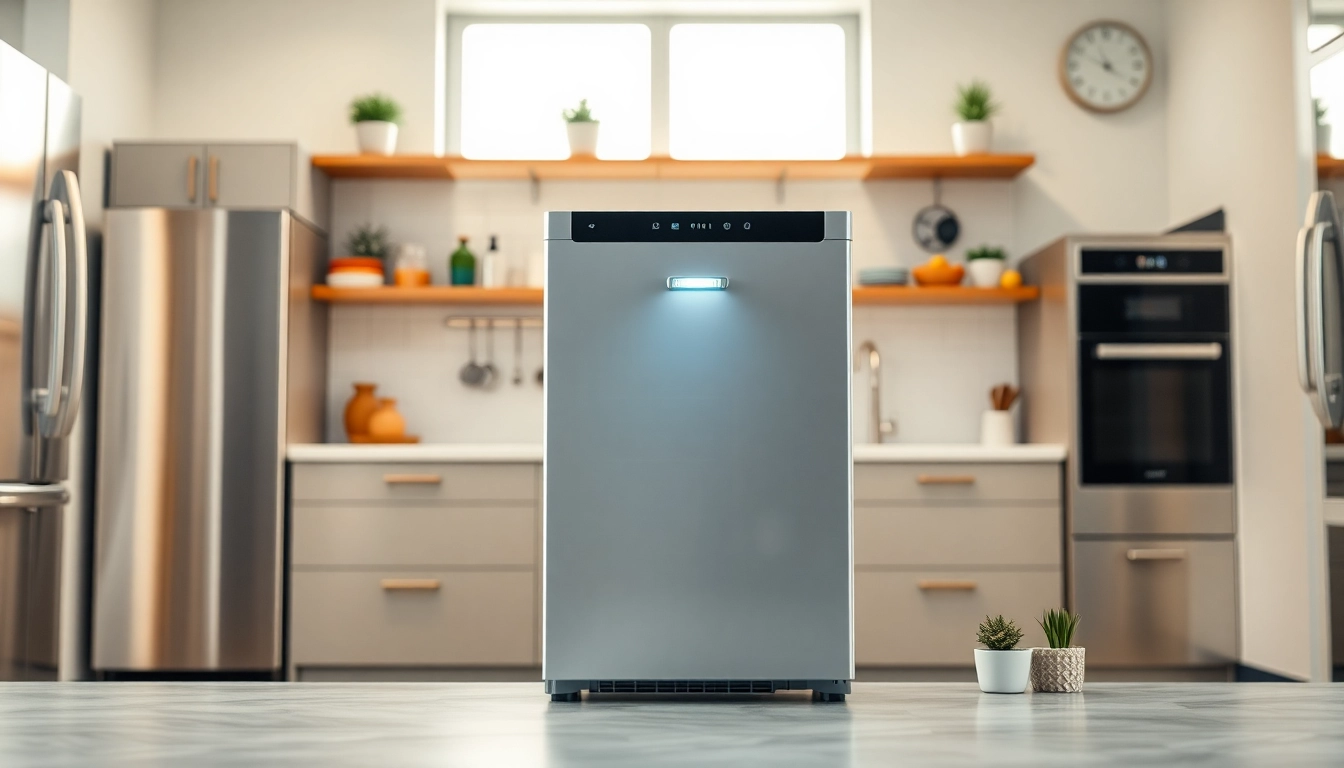
Understanding Affordable Mini Fridge and Freezer Options
In today’s fast-paced world, having a compact yet efficient refrigeration solution can simplify your life. Whether you live in a small apartment, need a secondary fridge for entertaining, or want to keep beverages cool in your office, the affordable mini fridge and freezer is a versatile option worth exploring. This guide takes a closer look at various types, features, and benefits of mini fridges to help you make an informed decision.
Types of Mini Fridge and Freezers
When you think of mini fridges, several types come to mind based on their functionality and design. Understanding these can help you select the right model for your needs.
- Compact Refrigerators: Ideal for small spaces, these units may only offer refrigeration without a freezer compartment. They’re excellent for storing everyday essentials like drinks and snacks.
- Mini Fridge with Freezer: These models combine refrigeration with a small freezer compartment, providing a place to keep ice cream, frozen meals, and more.
- Thermoelectric Mini Fridges: Typically used for specific purposes, such as cooling beverages, these fridges operate silently and are energy efficient but may only cool to a certain level below ambient temperature.
- Wine Coolers: Specialized for wine storage, these often have precise temperature controls and humidity features to maintain the integrity of wine bottles.
Features to Consider
Choosing the right mini fridge goes beyond just size. Here are essential features you should look out for:
- Energy Efficiency: Look for models with an Energy Star rating; they consume less power and reduce your electricity bill.
- Temperature Controls: Adjustable thermostats can help manage cooling levels according to your storage needs.
- Adjustable Shelves: Flexible shelving allows you to customize the interior space, accommodating larger items when necessary.
- Interior Lighting: Built-in lighting helps locate items in low light conditions.
- Noise Level: Consider models that advertise quieter operation, especially if you plan to place the fridge in a bedroom or study.
Advantages of Using Mini Fridges
Integrating an affordable mini fridge and freezer into your life offers numerous advantages:
- Space-Saving: These compact units fit easily into tight spaces where traditional refrigerators cannot.
- Cost-Effective: Generally less expensive than standard refrigerators, both in purchase price and energy consumption.
- Versatile Use: Great for college dorms, RVs, office spaces, or as additional storage in homes.
- Convenience: Easy access to snacks and drinks without the need to go to the main fridge.
How to Select the Right Size
Sizing your mini fridge correctly is crucial. An overly large unit can waste energy, and a too-small unit can limit your storage capabilities.
Measuring Your Space
Before you make a purchase, measure the space where you intend to place the fridge. Ensure you leave at least a couple of inches of clearance on all sides for proper airflow.
Storage Capacity Explained
Mini fridges come in various capacities, typically ranging from 1.5 cubic feet to about 3.5 cubic feet. Think about your needs: If you need to store larger items or several beverages, opt for a higher capacity fridge.
Common Size Mistakes
One of the most common mistakes is not accounting for the space required for opening the door or drawers. Always consider user access alongside storage capacity.
Energy Efficiency and Costs
As awareness of energy consumption increases, selecting an energy-efficient appliance becomes paramount—especially for models you will use frequently.
Understanding Energy Ratings
Energy ratings indicate how efficiently a model operates. Always check for the Energy Star label, which signifies that the appliance meets certain energy efficiency requirements set by the U.S. Environmental Protection Agency.
Calculating Operating Costs
To estimate the annual cost to operate your mini fridge, you can multiply the wattage (found on the label) by your local energy rate. For example, if you have a 100-watt fridge running for 24 hours, that’s about 2.4 kWh daily. Multiply by your electric rate to find monthly costs.
Eco-Friendly Models
Consider models designed with eco-friendly materials and technologies, reducing your carbon footprint while still meeting your refrigeration needs.
Maintaining Your Mini Fridge and Freezer
To ensure longevity and optimal performance, regular maintenance is essential. Here are a few best practices.
Regular Cleaning Tips
Clean your fridge’s interior and exterior surfaces regularly to prevent odors and buildup. Unplug the unit and use soapy water for deep cleaning. Don’t forget the condenser coils, as they can collect dust and reduce efficiency.
Dealing with Common Issues
Common problems include insufficient cooling, strange noises, or excessive frost buildup. Always check for blockages or ensure they are level to enhance cooling and operate quietly.
Maximizing Lifespan
To extend your fridge’s life, keep the door seals clean and check for wear regularly. A healthy balance of air around the fridge also promotes effective cooling and energy savings.
FAQs About Affordable Mini Fridge and Freezer
What capacities are available for mini fridges?
Mini fridges typically range from 1.5 cubic feet to over 3.5 cubic feet, catering to varied storage needs.
How do I know if a mini fridge is energy efficient?
Check for the Energy Star label, which indicates that the fridge meets strict energy efficiency guidelines.
What features should I prioritize in a mini fridge?
Focus on energy efficiency, adjustable shelves, temperature controls, and noise level to suit your environment.
Can I use a mini fridge in my bedroom?
Yes, mini fridges are perfect for bedrooms, offering easy access to snacks and drinks without the noise of larger models.
How do I troubleshoot a mini fridge that won’t cool?
First, check the temperature settings and ensure proper ventilation. If issues persist, inspect the condenser coil for dust accumulation.