
Understanding Bridge Cranes
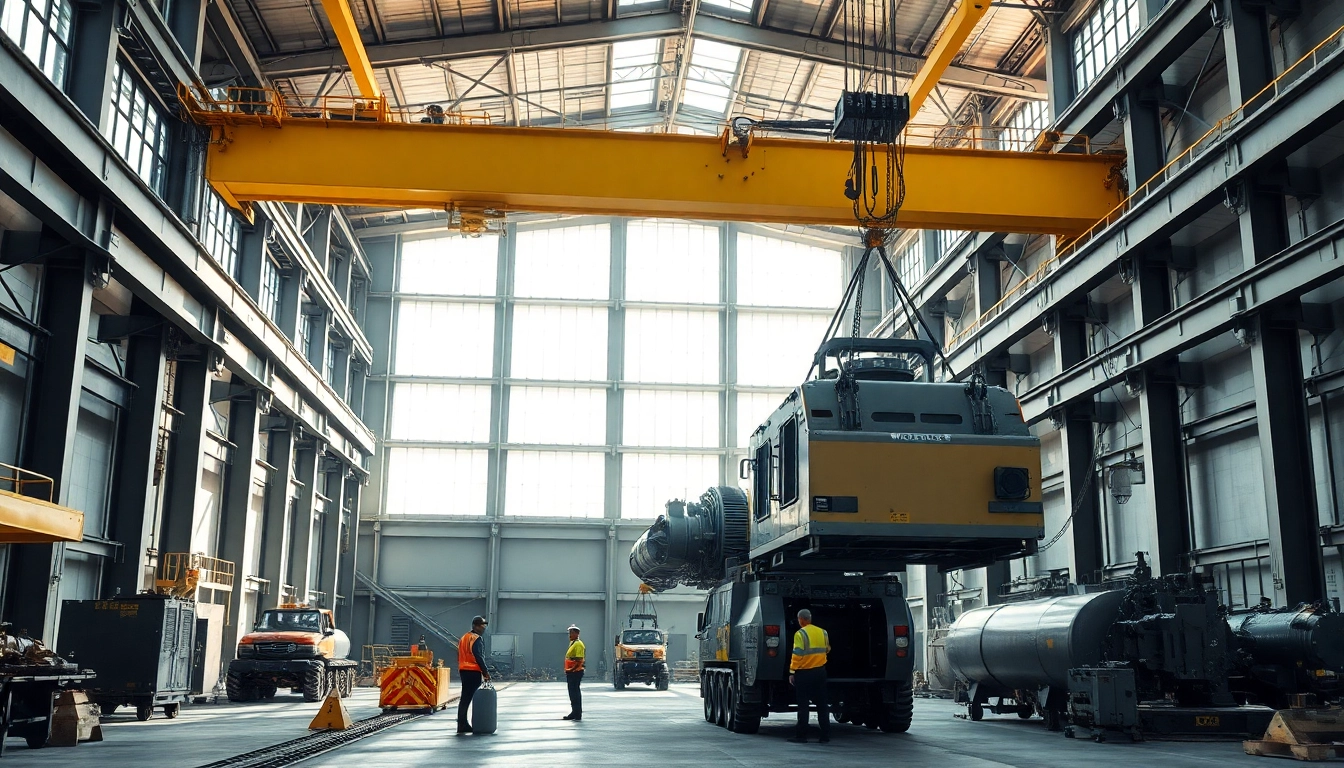
Bridge cranes, commonly referred to as overhead cranes, play a vital role in enhancing operational efficiency within various industrial settings. These cranes, characterized by their ability to span large distances, are ideal for moving heavy loads across factory floors, warehouses, and construction sites. As businesses look for ways to optimize their material handling processes, understanding the intricacies of bridge cranes becomes essential. When exploring options, bridge cranes offer numerous advantages, including versatility and enhanced safety features, appealing to a wide range of applications.
What is a Bridge Crane?
A bridge crane is a type of overhead crane that operates on a fixed path, generally consisting of two parallel runways. The crane moves horizontally across the runways, allowing for the lifting and positioning of materials with precision. This design is particularly beneficial in large industrial spaces where maneuverability and load capacity are paramount. Bridge cranes are equipped with various lifting devices, including hoists, to cater to different load requirements and operational needs.
Key Components and Functionality
The primary components of a bridge crane include:
- Bridge: The main horizontal beam that carries the load and moves along the runways.
- Runways: The tracks on which the crane travels, typically mounted on the building structure.
- Hoist: The device responsible for lifting and lowering loads, integrated into the bridge.
- Control System: The mechanism through which operators control the crane’s movements, either manually or via remote control.
These components work together seamlessly, allowing for efficient movement of materials and reducing the manual effort required in handling heavy loads.
Types of Bridge Cranes
Bridge cranes can be categorized into several types to meet specific operational requirements:
- Single Girder Bridge Cranes: These cranes have a single beam and are suitable for lighter loads, often ranging from 1 ton to 20 tons.
- Double Girder Bridge Cranes: Featuring two beams, these cranes can support heavier loads, typically up to 100 tons, and provide more headroom for hoisting.
- Underhung Bridge Cranes: These cranes hang from the track rather than being mounted on top, allowing for efficient use of space and flexibility in layout.
Benefits of Using Bridge Cranes in Manufacturing
The adoption of bridge cranes in manufacturing and industrial environments presents numerous benefits that enhance operational workflows.
Efficiency and Productivity Enhancements
One of the primary advantages of bridge cranes is their ability to significantly increase efficiency. By automating the lifting and moving of heavy materials, businesses can reduce downtime and minimize manual labor costs. Workers can focus on more complex tasks, thereby boosting overall productivity. The precise control offered by bridge cranes also allows for faster load handling, reducing the time it takes to complete tasks across various operational processes.
Cost-Effectiveness Over Time
While the initial investment in a bridge crane may seem significant, the long-term savings are considerable. These cranes can lead to reduced labor costs and minimized injury risks, ultimately translating to lower insurance premiums. Additionally, many bridge cranes are built to last, often featuring durable materials and construction that require less frequent replacement or maintenance.
Safety Features and Compliance
Bridge cranes are designed with safety in mind, incorporating features such as overload protection, emergency stop functions, and advanced control systems that help ensure compliance with industry regulations. These safety measures not only protect workers but also safeguard materials, reducing the likelihood of costly accidents and operational disruptions.
Bridge Crane Selection Criteria
Selecting the right bridge crane for a specific application requires careful consideration of several factors to ensure optimal performance and safety.
Understanding Load Capacities
Determining the appropriate load capacity is critical when selecting a bridge crane. This involves assessing the maximum weight the crane will need to lift during operations. Manufacturers typically provide load capacity specifications, and it’s essential for businesses to choose cranes that exceed their maximum anticipated load to ensure safety and extend the equipment’s lifespan.
Span and Height Considerations
The span of a bridge crane refers to the distance between its runways, which directly impacts its operational capabilities. When evaluating the span, it’s important to consider the layout of the workspace and any potential obstructions. Additionally, the height of the crane should be assessed to ensure it can accommodate the required lifting height without compromising safety.
Customization Options for Specific Needs
Many manufacturers offer customization options for bridge cranes, allowing businesses to tailor the configurations to their specific operational needs. Custom features may include specialized hoists, control systems, and additional safety measures that enhance the efficiency and effectiveness of the crane within a particular workflow.
Best Practices for Bridge Crane Operation
To maximize the benefits of bridge cranes, organizations must implement best practices that ensure safe and efficient operations.
Training and Certification Requirements
Proper training is essential for all operators of bridge cranes. Organizations should invest in comprehensive training programs that cover safe operation, maintenance, and emergency procedures. Certifications may also be required for operators to ensure compliance with local regulations and industry standards.
Regular Maintenance Checklists
Regular maintenance is key to ensuring bridge cranes operate safely and efficiently. Maintenance checklists should include inspections of all major components, such as hoists, control systems, and structural integrity, with scheduled maintenance intervals based on manufacturer guidelines. Proactive maintenance can prevent unexpected failures and extend the lifespan of equipment.
Common Operational Challenges
Despite their advantages, bridge cranes may come with operational challenges that require careful management. Common issues include load swinging, which can occur during movement, and potential obstructions along the crane’s path. Operators should be trained to recognize and mitigate these challenges to maintain smooth and safe operations.
Future Trends in Bridge Crane Technology
The bridge crane industry is evolving, driven by technological advancements and changing operational demands. As we look toward 2025, several trends are emerging that promise to reshape the landscape of material handling.
Automation and Smart Technology Integration
The integration of automation and smart technology into bridge cranes is rapidly gaining traction. Automation can enhance precision in load handling and reduce human error, leading to safer and more efficient operations. Smart technologies, such as IoT devices and real-time monitoring systems, allow for proactive maintenance and performance optimization, ensuring cranes operate at peak efficiency.
Emerging Safety Standards and Regulations
With advancements in technology, new safety standards and regulations are expected to emerge, focusing on enhancing the safety and reliability of bridge cranes. Organizations will need to stay informed and compliant with these evolving standards to protect workers and minimize operational risks.
Predictions for the Industry by 2025
By 2025, the bridge crane industry is likely to see significant growth driven by increased demand across various sectors, including manufacturing, construction, and logistics. Innovations in design and technology will facilitate the development of more versatile and efficient cranes, further enhancing productivity and safety in material handling.