
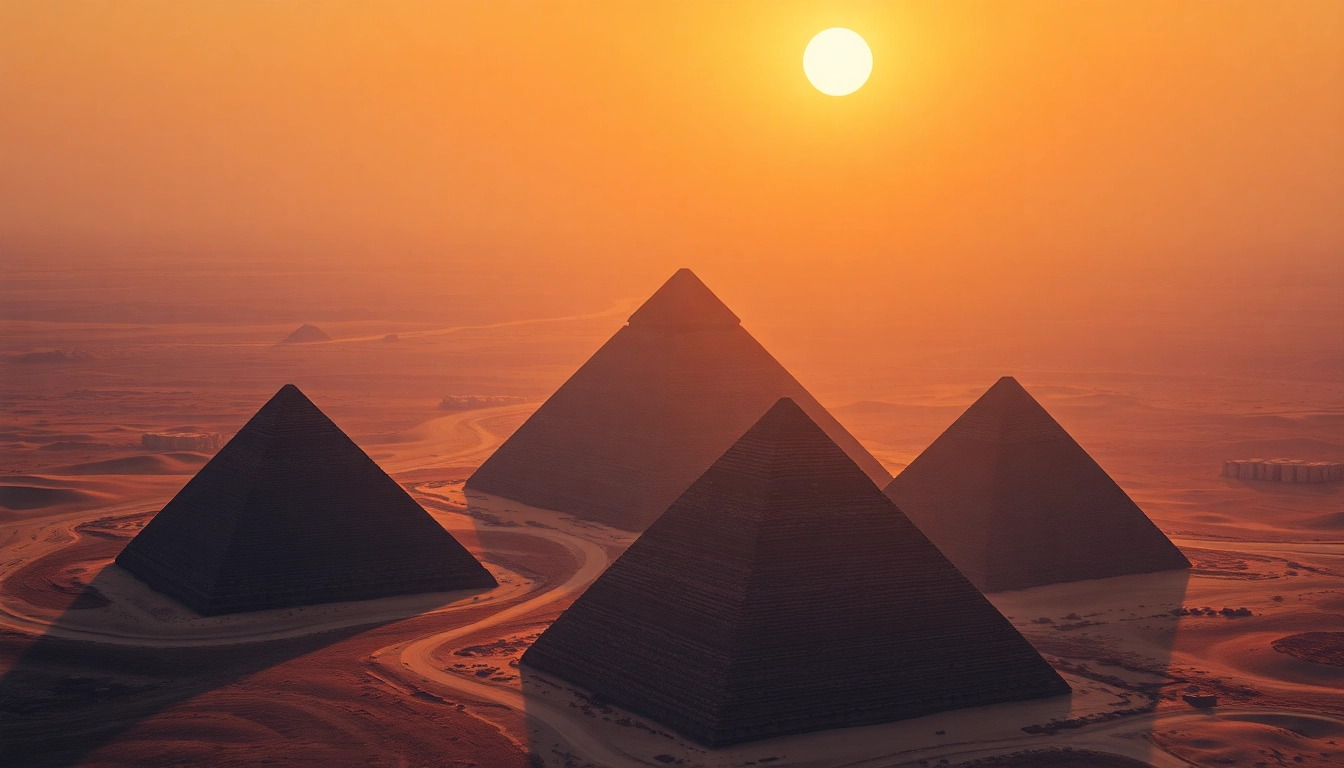
The Historical Significance of the Pyramids
The pyramids are some of humanity’s most recognizable monuments, each stone shrouded in ancient history and cultural significance. Predominantly known for their prominence in Egypt, they served as final resting places for pharaohs, sacred to the religious beliefs of the time. Their precision in design and majestic scale not only symbolize the glory of ancient Egyptian civilization but also offer significant insight into their architectural mastery. For those seeking to delve deeper into the world of pyramids, resources can be accessed through https://piraminds.com/.
Role in Ancient Egyptian Society
The pyramids were much more than mere tombs; they were central to ancient Egyptian culture, serving as symbols of power and the afterlife. Pharaohs were believed to attain god-like status following their death, and the pyramids were constructed as grand gateways for their journey into the afterlife. This belief instigated a society that revered its rulers, leading to the establishment of a complex social structure where labor and resources were allocated toward monumental constructions.
The Construction Techniques Used
The construction of the pyramids remains one of the great feats of ancient engineering, involving thousands of skilled laborers, architects, and workers. Techniques such as levers, ramps, and precise measurements facilitated the transportation and placement of massive stone blocks, some weighing several tons. Many theories abound regarding the dynamics of pyramid construction, yet the use of a workforce during the annual Nile flooding, when agricultural activities slowed, explains the logistical organization behind these remarkable structures.
Symbolism and Meaning of the Structures
Pyramids were carefully designed to reflect the Egyptians’ complex beliefs about life, death, and the afterlife. The shape itself symbolizes the rays of the sun, signifying the descent of the sun god, Ra. Additionally, the orientation and placement of pyramids, often due east to align with the sun, reflects a sophisticated understanding of astronomy and earth’s geography. This blending of architecture, spirituality, and astronomy highlights the pyramids’ multidimensional significance within ancient Egyptian society.
Types of Pyramids Around the World
Pyramids are not exclusive to Egypt; similar structures exist across various cultures worldwide, each with unique characteristics and purposes. This section explores a few prominent examples that exhibit how different societies interpreted pyramid construction based on their geographic, cultural, and religious contexts.
Comparison of Egyptian and Mesoamerican Pyramids
Mesoamerican civilizations, such as the Maya and Aztecs, constructed their own pyramid structures that differ significantly in design and function from those in Egypt. Unlike the smooth, sloping sides of Egyptian pyramids, many Mesoamerican pyramids feature stepped tiers and served as platforms for temples; they were often topped with sanctuaries. These distinctions illustrate different cultural beliefs centered around ritual practices and societal hierarchies.
Notable Pyramids Beyond Egypt
Numerous notable pyramids exist beyond the borders of Egypt, with examples found in Sudan, Mexico, and even Greece. The Nubian pyramids in Sudan showcase smaller yet numerous pyramids that served similar functions as their Egyptian counterparts. The Pyramid of the Sun, located in Teotihuacan, Mexico, represents immense architectural prowess and was central to their civilization’s religious practices. Each of these pyramids provides insight into their respective cultures and ideologies.
Architectural Innovations Found in Pyramids
Pyramids demonstrate remarkable architectural innovations that have inspired countless generations. These structures employed advanced techniques in construction, including corbel arches and precise stone cutting, setting a foundation for future architectural developments. The careful planning involved in their construction, coupled with sophisticated mathematical and astronomical knowledge, highlights the ingenuity of these ancient builders.
Recent Archaeological Discoveries
Advancements in archaeological technologies continue to unveil mysteries surrounding the pyramids, providing fresh insights into their construction and historical context. Projects utilizing ground-penetrating radar and 3D modeling have transformed our understanding of how the pyramids were built and functioned as part of a larger architectural and cultural complex.
New Findings in Egyptian Pyramids
Recent excavations around the Giza plateau and elsewhere have revealed hidden chambers, previously unknown burial sites, and the remnants of ancient settlement structures. These discoveries help draw a more comprehensive picture of the daily lives of the workers, the resources required for construction, and the sociopolitical environment surrounding pyramid building.
Advanced Technologies in Archaeology
The integration of advanced technologies has revolutionized the field of archaeology, particularly regarding pyramids. Techniques like drones and augmented reality are now being used not only to explore inaccessible areas but also to visualize ancient environments as they were during the pyramid era. This innovative approach allows researchers to examine construction methods, spatial organization, and the socio-economic factors at play during the pyramid-building periods.
Impact of Discoveries on Our Understanding
Every new finding related to pyramids enriches our understanding of ancient civilizations. By analyzing artifacts, burial practices, and architectural layouts, scholars can piece together the daily lives of those who built and worshipped at these monumental structures. Such insights not only shed light on the past but also influence contemporary views on ancient engineering and architecture.
Theories on the Construction of Pyramids
The methods by which ancient civilizations constructed their pyramids remain a topic of significant debate and intrigue. Various theories have attempted to explain the incredible feats of engineering that produced these iconic structures.
Labor and Workforce Behind the Pyramids
The labor force responsible for pyramid construction consisted mostly of skilled artisans and seasonal laborers, rather than slaves as commonly believed. Many were likely well-fed and housed in nearby worker communities, with evidence suggesting a highly organized system that facilitated their labor. Understanding the social structure around this workforce provides a clearer picture of how these monumental undertakings were possible.
Advanced Techniques and Tools
Utilizing tools made from metals like copper and leveraging simple machines, such as levers and ramps, were crucial in the precise cutting and moving of massive stone blocks. Research continues to explore the logistical systems that enabled the transport of materials from quarries up to the construction sites, evidencing the brilliance of ancient engineering techniques.
Mystery of the Construction Methods
Despite various theories, the exact methods employed in pyramid construction remain a mystery. Researchers have proposed several innovative techniques, including the use of water to lubricate labor-intensive tasks, counterbalancing methods for moving heavy stones, and intricate scaffolding systems. The myriad of theories underlines both the complexity of construction and the ingenuity of those who created these everlasting monuments.
Visiting the Pyramids: A Guide
For those eager to experience the awe of the pyramids in person, visiting them is an unforgettable experience. This section outlines essential tips to enhance your visit and ensure a culturally respectful and insightful journey.
Best Times to Visit the Pyramids
The optimal times for visiting pyramids, particularly those in Egypt, are during the spring and fall seasons when temperatures are more moderate. Avoiding the extreme heat of summer and the crowded tourist months can greatly enhance the experience, allowing visitors to explore without discomfort.
Essential Tips for Tourists
- Stay hydrated and wear comfortable shoes.
- Respect local customs and traditions.
- Consider hiring a knowledgeable guide for deeper insights.
- Plan your visit ahead to maximize time at each site.
- Bring a camera to capture stunning views but be mindful of when photography is allowed.
Cultural Etiquette and Insights
Understanding the cultural nuances of the regions surrounding the pyramids is vital. Visitors should dress modestly, be respectful in their interactions with locals, and make efforts to learn about the historical significance of the sites they are visiting. This approach not only enriches the travel experience but fosters goodwill and respect toward the communities that preserve these ancient wonders.
FAQs
1. What were the main purposes of the pyramids?
Pyramids primarily served as tombs for pharaohs and high-ranking officials, symbolizing their journey to the afterlife and connection to deities.
2. How were the pyramids built?
Construction involved skilled laborers using tools like levers and ramps to transport and place enormous stone blocks with precision.
3. Where can I find pyramids outside of Egypt?
Notable pyramids can be found in Sudan, Mexico, and other regions, each showcasing unique architectural styles and cultural significance.
4. What technological advancements aid pyramid research today?
Modern techniques like ground-penetrating radar and drones facilitate the discovery of hidden chambers and offer insights into ancient construction techniques.
5. What should I know before visiting the pyramids?
Plan your visit during spring or fall, wear comfortable attire, and respect local customs to enhance your experience while visiting.